
How Can We Analyze Spanish Real Estate Trends via Habitaclia Data Scraping Reveal 25% Market Shifts?
Jan 23
Introduction
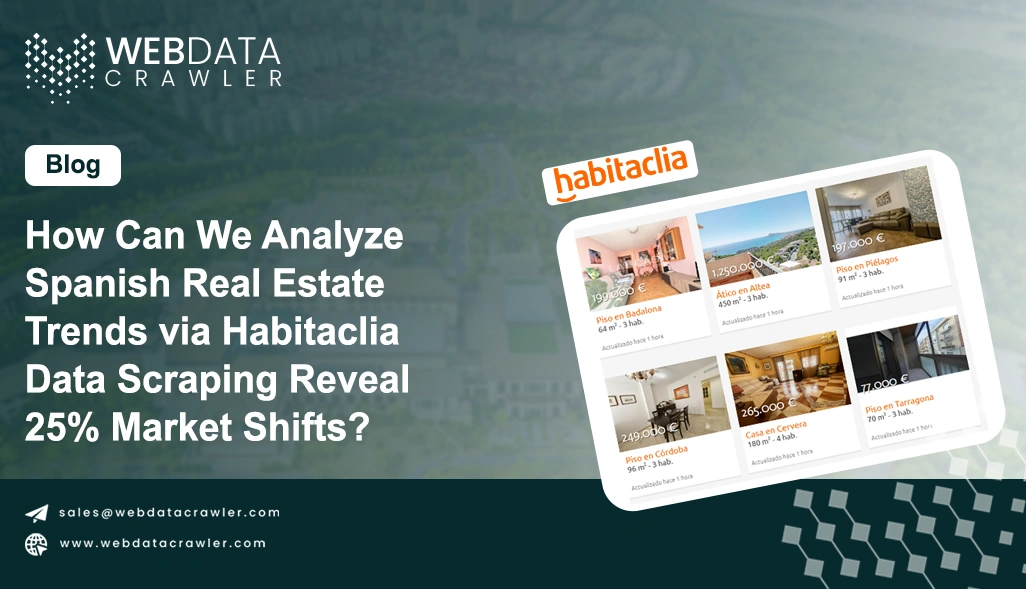
Spain's real estate market is evolving at an unprecedented pace, shaped by shifting buyer behavior, digital-first property searches, and changing urban development priorities. With thousands of active listings across major Spanish cities, platforms like Habitaclia serve as a rich source of market intelligence. By leveraging Habitaclia Property Data Scraping Services, investors, brokers, and analysts can transform raw listing data into actionable insights that drive smarter decisions.
This is where data-driven market intelligence becomes indispensable. By applying Analyze Spanish Real Estate Trends via Habitaclia Data Scraping, professionals can uncover real-time shifts in housing prices, rental demand, and location-specific growth patterns. From Barcelona's apartment market to Madrid's commercial developments, structured data extraction allows businesses to move from intuition-based decisions to insight-led strategies.
Moreover, automated scraping enables stakeholders to Extract Habitaclia Property Prices and Listings at scale, ensuring consistent monitoring of market dynamics. With the right technical setup, property analysts can identify undervalued neighborhoods, forecast rental yields, and respond swiftly to seasonal changes.
City-Wise Property Pricing Pattern Evaluation
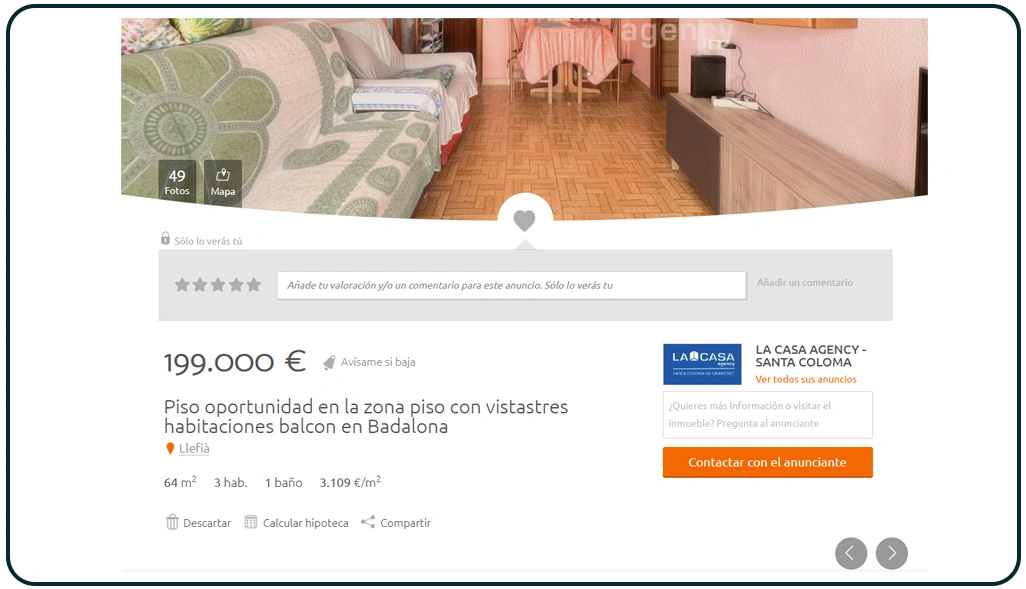
Spain's major urban centers exhibit distinct pricing movements shaped by tourism flows, infrastructure projects, and shifting residential demand. To accurately capture these movements, analysts rely on Web Scraping Habitaclia Property Listings Data to compile thousands of listings into structured intelligence. This approach enables a clear understanding of how price per square meter varies across cities such as Barcelona, Madrid, Valencia, and Seville.
When combined with Real Estate Datasets, scraped listing data supports deeper trend analysis, including historical price comparisons, neighborhood-level appreciation, and seasonal demand spikes. For example, Barcelona's coastal districts have consistently shown higher appreciation due to short-term rental demand, while suburban Madrid markets display stable long-term growth patterns driven by affordability and connectivity.
| City | Avg. Price €/sqm | Quarterly Change | Demand Trend |
|---|---|---|---|
| Barcelona | 4,200 | +3.1% | Rising |
| Madrid | 3,800 | +2.4% | Stable |
| Valencia | 2,500 | +3.8% | Rising |
| Seville | 2,100 | +2.0% | Moderate |
By transforming unstructured listings into actionable intelligence, stakeholders can move beyond intuition-based decisions. City-wise pricing evaluations provide the foundation for portfolio diversification, localized investment strategies, and long-term market forecasting. This data-centric approach ensures pricing accuracy while reducing exposure to speculative risks in volatile micro-markets.
Rental Versus Sales Demand Comparison Analysis
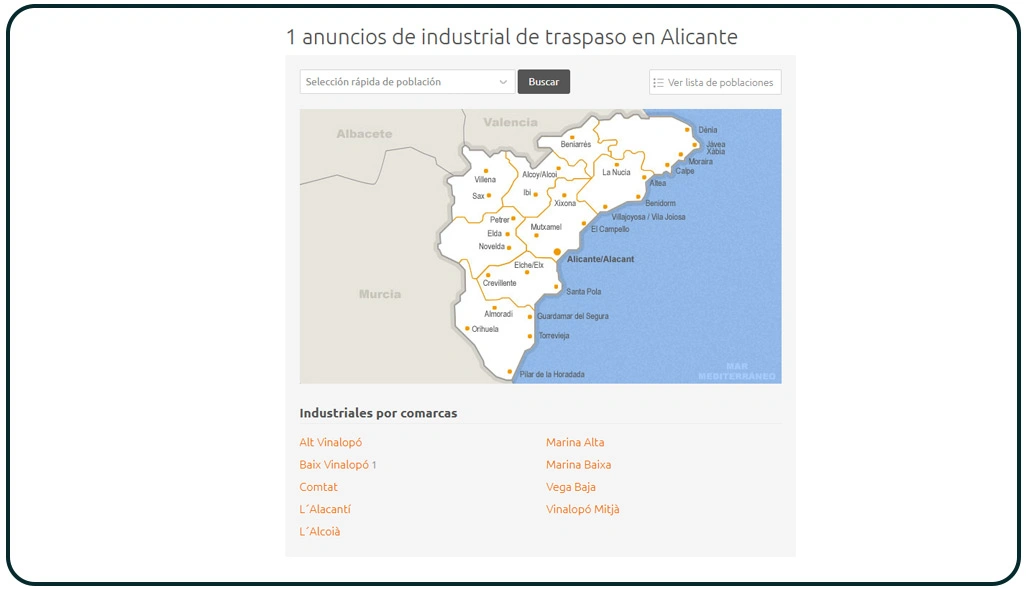
Spain's rental and sales markets are evolving at different paces due to urban migration, employment shifts, and changing mortgage conditions. Through automated systems to Scrape Habitaclia Rental and Sale Property Data, analysts can segment listings into rental and sales categories to measure relative demand growth and yield stability.
Scalable scraping frameworks also support cross-border analytics, as demonstrated by Indian Residential and Commercial Property Data Scraping, which applies similar methodologies to diverse property markets. This adaptability allows real estate intelligence teams to standardize data extraction pipelines across regions and asset classes.
| Market Segment | Avg. Monthly Rent (€) | Avg. Sale Price (€) | Demand Growth |
|---|---|---|---|
| Barcelona Rent | 1,350 | 420,000 | +18% |
| Madrid Rent | 1,200 | 380,000 | +14% |
| Valencia Rent | 950 | 250,000 | +20% |
| Seville Rent | 900 | 210,000 | +16% |
By analyzing rental turnover rates, listing volumes, and pricing elasticity, stakeholders can anticipate market saturation and price corrections. This data-driven segmentation enables property managers to adjust rental strategies dynamically while guiding investors toward high-yield asset categories. Ultimately, rental-versus-sales analytics strengthen capital allocation efficiency and long-term portfolio performance.
Future Market Movement Forecasting Framework
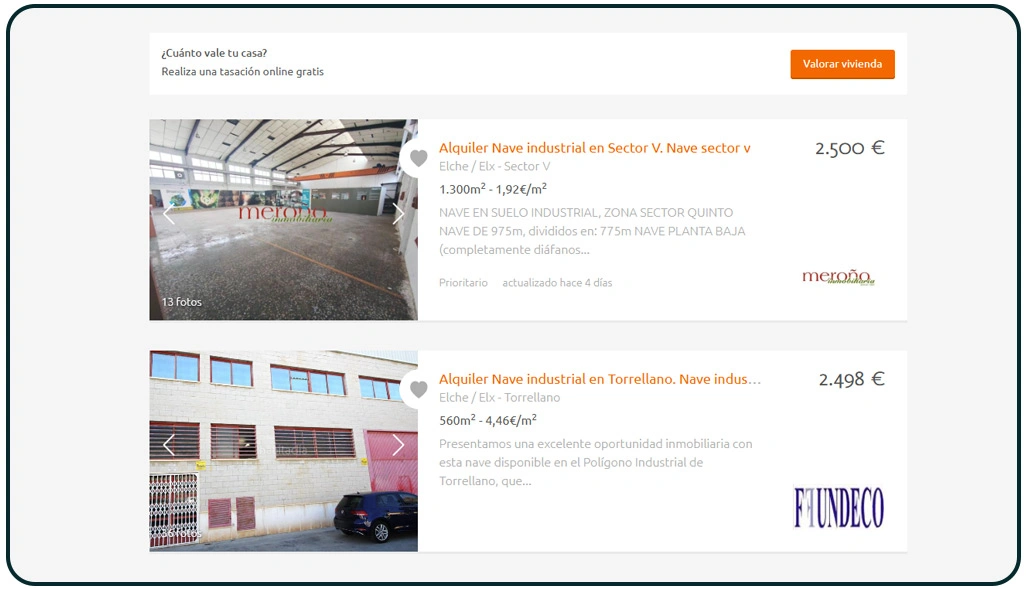
Predictive analytics is becoming a cornerstone of modern real estate intelligence. With a Habitaclia Housing Market Data Scraper, analysts can monitor new listings, price adjustments, and inventory absorption rates in near real time. These continuous data feeds support forecasting models that anticipate market shifts driven by regulatory changes, tourism cycles, and interest rate fluctuations.
Short-term rental regulations in major cities, for instance, are expected to redirect investor interest toward long-term leasing assets. By applying the principles of Popular Real Estate Data Scraping, automated pipelines transform raw listings into structured datasets that feed AI-driven forecasting engines.
| Indicator | Current Value | Forecast Trend |
|---|---|---|
| Listing Volume | 145,000 | Stable |
| Avg. Sale Price | €3,150/sqm | +6% YoY |
| Rental Demand Index | 82 | Rising |
| Vacancy Rate | 6.5% | Declining |
Scenario-based modeling enables investors to simulate the impact of economic growth, demographic migration, and policy reforms on asset performance. Forecasting frameworks also support site selection for commercial developments by identifying zones with rising foot traffic and leasing demand. By continuously refining predictive models with fresh listing data, stakeholders can reduce uncertainty, optimize entry timing, and enhance risk-adjusted returns.
How Web Data Crawler Can Help You?
Transforming raw web listings into strategic intelligence requires a robust technical framework. With Analyze Spanish Real Estate Trends via Habitaclia Data Scraping integrated into your analytics workflow, you gain access to real-time pricing insights, demand indicators, and predictive market signals.
Our Core Capabilities Include:
- Automated listing aggregation across cities.
- Dynamic pricing trend monitoring.
- Neighborhood-level demand mapping.
- Historical data archiving for forecasting.
- Custom dashboards for investment analysis.
- Compliance-focused scraping architecture.
In addition, our scalable solutions enable seamless data extraction to Extract Habitaclia Property Prices and Listings, ensuring consistent updates and structured datasets for advanced modeling.
Conclusion
Spain's property market is becoming increasingly data-centric, where insights derived from digital platforms shape investment success. By applying Analyze Spanish Real Estate Trends via Habitaclia Data Scraping, stakeholders can identify growth corridors, optimize pricing strategies, and forecast future demand with confidence.
The ability to transform web listings into actionable intelligence through Web Scraping Habitaclia Property Listings Data creates a competitive edge for developers, brokers, and investors. Ready to elevate your market intelligence strategy? Connect with Web Data Crawler today to build smarter, data-driven property decisions.