
How to Scrape Fresh Produce Prices at Coles and Woolworths to Track 120+ Items Efficiently?
Jan 16
Introduction
The modern grocery market requires accurate pricing intelligence to make informed decisions, especially for fresh produce. Businesses can now Scrape Fresh Produce Prices at Coles and Woolworths with precision, tracking over 120 items to stay aligned with market trends. By adopting structured data extraction, retailers gain visibility into pricing fluctuations, seasonal availability, and customer preferences.
For instance, using Coles Online Quick Commerce Data Scraping allows companies to monitor price variations and product availability in near real-time. This capability not only streamlines operational strategies but also supports dynamic promotional planning. Additionally, pairing pricing insights with performance metrics enables retailers to optimize inventory, reduce wastage, and improve margins across fresh produce categories.
When paired with competitive analysis, businesses can compare multiple outlets and make proactive decisions, ensuring they offer the best value to customers. By centralizing this data, stakeholders can track trends efficiently, respond to competitor pricing, and implement intelligent supply chain strategies. This structured approach transforms traditional grocery analytics into actionable insights, providing a clear roadmap for profitability in 2026.
Strategies to Monitor Pricing Changes Across Leading Supermarkets
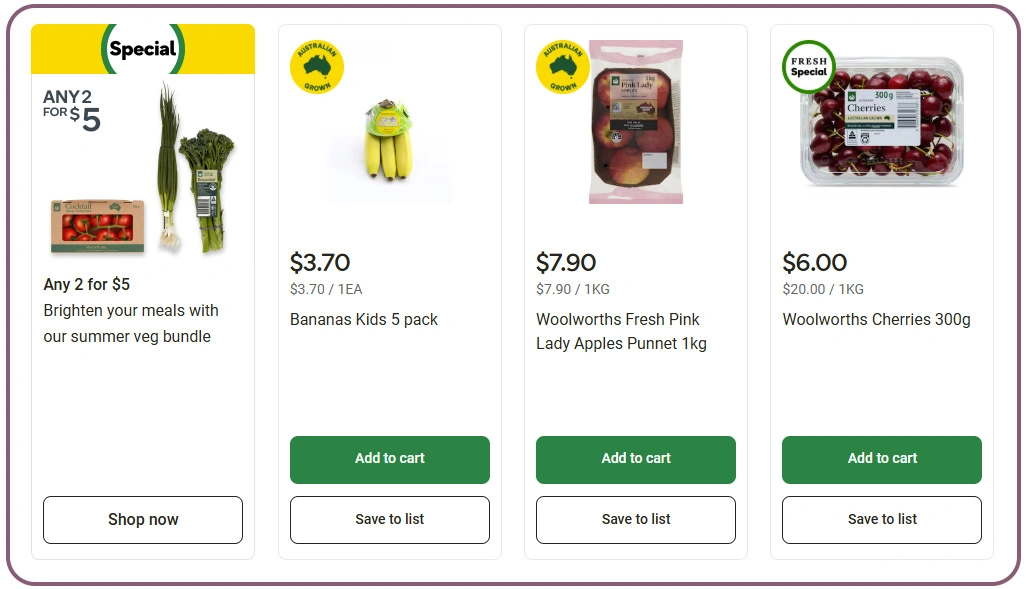
Monitoring fresh produce pricing manually is often inefficient and prone to errors. Retailers face the challenge of staying on top of frequent price updates at major supermarkets. Automated tools make it possible to track items like seasonal fruits, vegetables, and organic produce in real time, ensuring that no important price changes are missed. By capturing data continuously, businesses can react swiftly to market shifts, adjust promotional campaigns, and optimize inventory planning.
By integrating Woolworths Online Quick Commerce Data Scraping, companies can maintain accurate records of stock levels and price fluctuations. For example, tracking weekly price changes for top-selling items allows grocery stores to identify trends and adjust orders accordingly, reducing overstock or stockouts. Historical data analysis also helps in forecasting demand for seasonal products.
| Product Category | Average Price (Coles) | Average Price (Woolworths) | Price Fluctuation (%) |
|---|---|---|---|
| Apples | $3.50/kg | $3.65/kg | 4.3% |
| Bananas | $2.80/kg | $2.75/kg | -1.8% |
| Carrots | $2.10/kg | $2.00/kg | -4.7% |
| Tomatoes | $4.50/kg | $4.60/kg | 2.2% |
In addition, leveraging Australian Supermarket Fresh Produce Data Scraping provides insights into competitive pricing and availability. This data empowers businesses to implement pricing strategies that reflect consumer preferences and seasonal demand. Ultimately, a data-driven approach ensures efficient operational planning, reduces inventory waste, and enhances profitability in a competitive market landscape.
Utilizing Detailed Market Datasets to Drive Informed Decisions
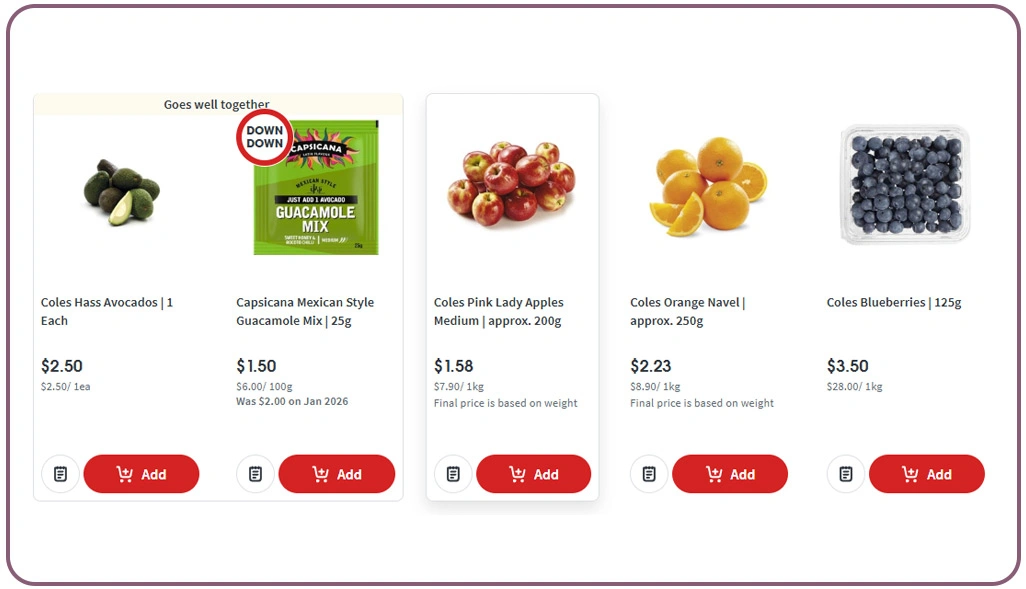
Accurate insights into grocery performance require analyzing comprehensive datasets across multiple outlets. Retailers can use Quick Commerce Datasets to evaluate the availability, popularity, and price trends of various products. With this data, businesses can pinpoint high-demand items, adjust stock levels, and develop targeted promotions that resonate with customers. Real-time insights combined with historical patterns provide a foundation for predictive decision-making.
For example, tracking popular vegetables and fruits over several weeks allows stores to identify seasonal shifts and anticipate shortages. Procurement strategies can then be tailored to reduce costs, optimize storage space, and increase overall sales efficiency. This method also helps in comparing competitor offerings to adjust marketing and promotional tactics.
| Product | Stock Availability (Coles) | Stock Availability (Woolworths) | Popularity Index |
|---|---|---|---|
| Lettuce | High | Medium | 87 |
| Spinach | Medium | Medium | 78 |
| Strawberries | Low | High | 91 |
| Broccoli | Medium | High | 84 |
Furthermore, using Coles Supermarket Fresh Produce Scraper enables retailers to extract competitor data efficiently, helping to implement pricing adjustments and promotional strategies that meet market demand. This approach ensures companies remain agile, make data-driven decisions, and enhance overall operational efficiency.
Implementing Live Monitoring to Enhance Retail Performance
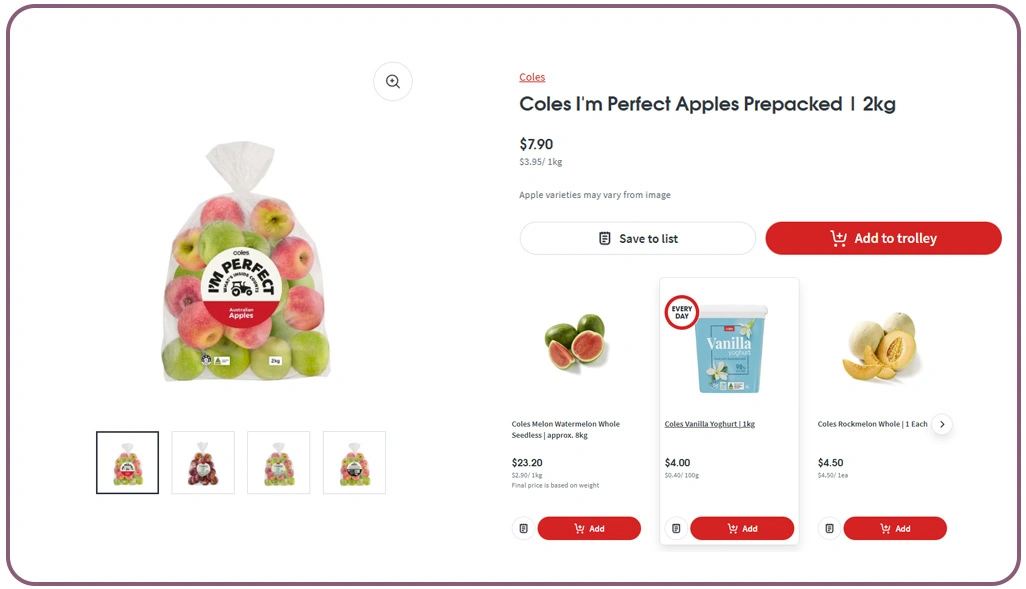
Real-time visibility into supermarket operations is crucial for businesses seeking a competitive advantage. By deploying Live Crawler Services, companies can continuously track pricing, promotions, and stock levels across Coles and Woolworths. Immediate access to such information allows for rapid decision-making in pricing, procurement, and marketing. Real-time monitoring also supports dynamic inventory management and helps mitigate potential stockouts.
| Product | Current Price (Coles) | Current Price (Woolworths) | Last Updated |
|---|---|---|---|
| Oranges | $3.90/kg | $4.00/kg | Today 10:30 AM |
| Potatoes | $2.50/kg | $2.45/kg | Today 10:30 AM |
| Blueberries | $6.50/pack | $6.75/pack | Today 10:30 AM |
| Cucumbers | $3.20/unit | $3.10/unit | Today 10:30 AM |
Integrating insights to Extract Woolworths Fruit and Vegetable Data allows businesses to identify patterns in competitor pricing and stock trends. With this intelligence, retail operators can adjust pricing strategies, optimize procurement, and launch timely promotional campaigns. Leveraging live monitoring in combination with historical performance ensures informed decision-making, better resource allocation, and improved profitability across fresh produce categories.
How Web Data Crawler Can Help You?
Efficient data management in the grocery sector requires intelligent tools to streamline monitoring and analysis. Businesses looking to Scrape Fresh Produce Prices at Coles and Woolworths can rely on us for automated, high-accuracy extraction across hundreds of product listings.
Key advantages include:
- Seamless data collection across multiple supermarket platforms.
- Customizable frequency for price and stock updates.
- Integration-ready formats for analysis and reporting.
- Intelligent error handling to ensure data accuracy.
- Historical data archiving for trend analysis.
- Scalable solutions for tracking large product inventories.
Additionally, using Coles vs WW Fresh Produce Price Comparison data, businesses can quickly identify gaps, optimize their offerings, and implement dynamic pricing strategies that respond to market conditions effectively.
Conclusion
For businesses aiming to maximize grocery profits, leveraging tools to Scrape Fresh Produce Prices at Coles and Woolworths ensures that no pricing opportunity is missed. Data-driven insights enable retailers to fine-tune inventory, forecast trends, and respond swiftly to market fluctuations, enhancing competitiveness.
By incorporating Australian Supermarket Fresh Produce Data Scraping into operational workflows, companies gain a comprehensive understanding of competitor pricing, seasonal trends, and customer behavior. Start your journey toward smarter grocery decisions with Web Data Crawler today.