
How does Rakuten Gurunavi Data Scraping for Japan Dining Insights Reveal 30% Restaurant Trend Shifts?
Jan 02
Introduction
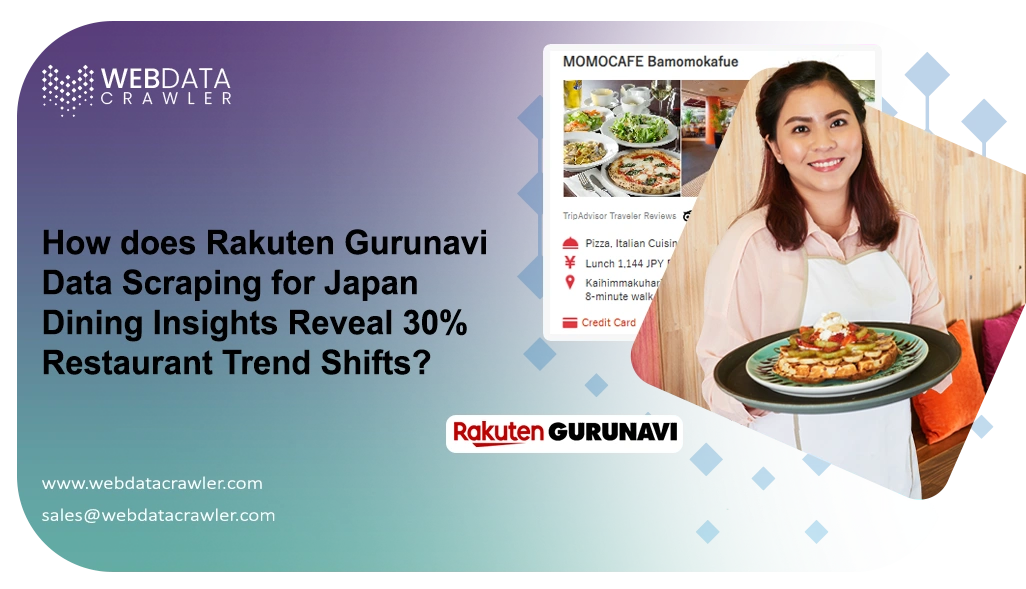
Japan's dining ecosystem is undergoing a measurable transformation driven by shifting consumer behavior, digital ordering habits, and regional taste experimentation. Platforms such as Rakuten Gurunavi provide rich digital footprints covering menus, pricing, reviews, reservations, and delivery behavior across thousands of eateries. Rakuten Gurunavi Data Scraping for Japan Dining Insights enables structured access to this continuously updated ecosystem, helping brands identify cuisine performance gaps, demand volatility, and regional menu preferences.
Industry studies indicate that restaurants using platform-based intelligence adjust menus up to 25% faster than competitors relying on offline research. The surge in online ordering further intensifies the value of granular visibility. With Rakuten Delivery Food Delivery Data Scraping, businesses can evaluate demand spikes, peak ordering windows, and discount-driven conversions across metro and tier-two cities.
These signals are essential for understanding why certain dining formats experience rapid traction while others face stagnation. By decoding platform-level behavioral data, decision-makers gain clarity on how 30% restaurant trend shifts emerge across Japan's dynamic food economy.
Understanding Shifting Dining Preferences Across Cities
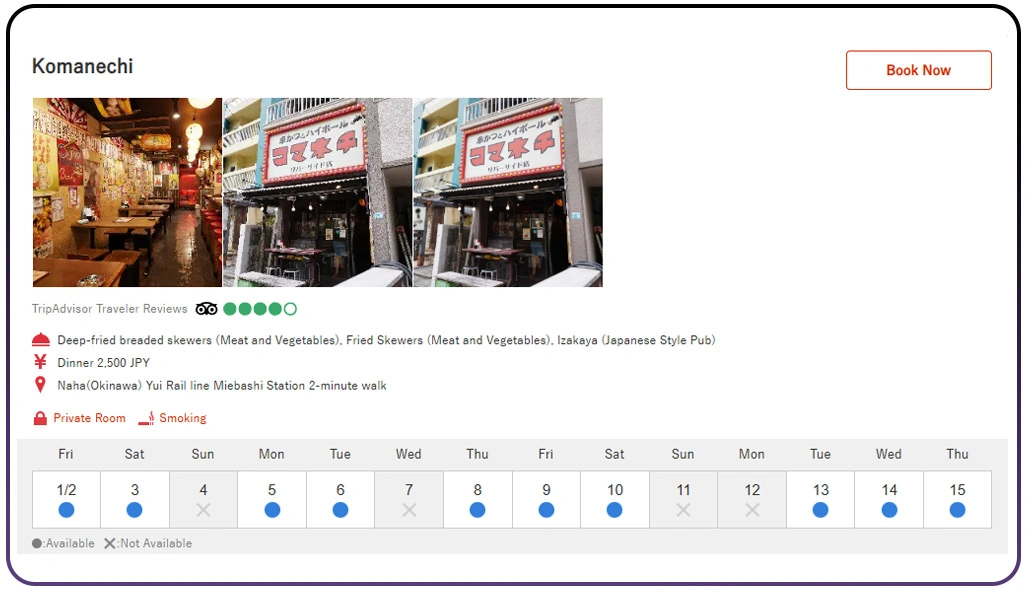
Japan's restaurant demand patterns are increasingly shaped by digital discovery behavior, location-based preferences, and time-sensitive consumption habits. Urban diners now evaluate menus, pricing, and availability long before visiting a restaurant, making platform-driven data essential for understanding demand movement. Analysis of platform interactions shows that cuisine interest in metropolitan areas fluctuates significantly across seasons, with some categories experiencing nearly 30% variance within a year.
By applying Popular Food Data Scraping, analysts can structure unorganized platform signals into clear demand indicators. Search frequency, reservation attempts, and listing engagement help identify which cuisines are gaining traction and which are declining. Meanwhile, Restaurant Data Scraper Japan enables location-wise comparison of menu updates and restaurant availability, supporting deeper insight into neighborhood-level shifts.
Such demand intelligence also reveals how consumer expectations differ between business districts and residential zones. Restaurants aligning offerings with these micro-patterns tend to experience higher booking consistency and stronger repeat visits. Rather than reacting after demand declines, operators using structured data can proactively adjust menus and operating hours.
Demand Behavior Indicators Identified:
| Data Signal Category | Observed Variation | Strategic Interpretation |
|---|---|---|
| Cuisine Search Volume | 25–30% Change | Emerging taste shifts |
| Reservation Attempts | 20% Increase | Improved menu alignment |
| Time-Based Engagement | 27% Growth | Late-evening demand rise |
| Location-Specific Interest | 22% Difference | Hyperlocal preferences |
This structured visibility into dining behavior allows restaurants to align offerings with evolving consumer expectations more accurately.
Evaluating Menu Pricing And Customer Response Trends
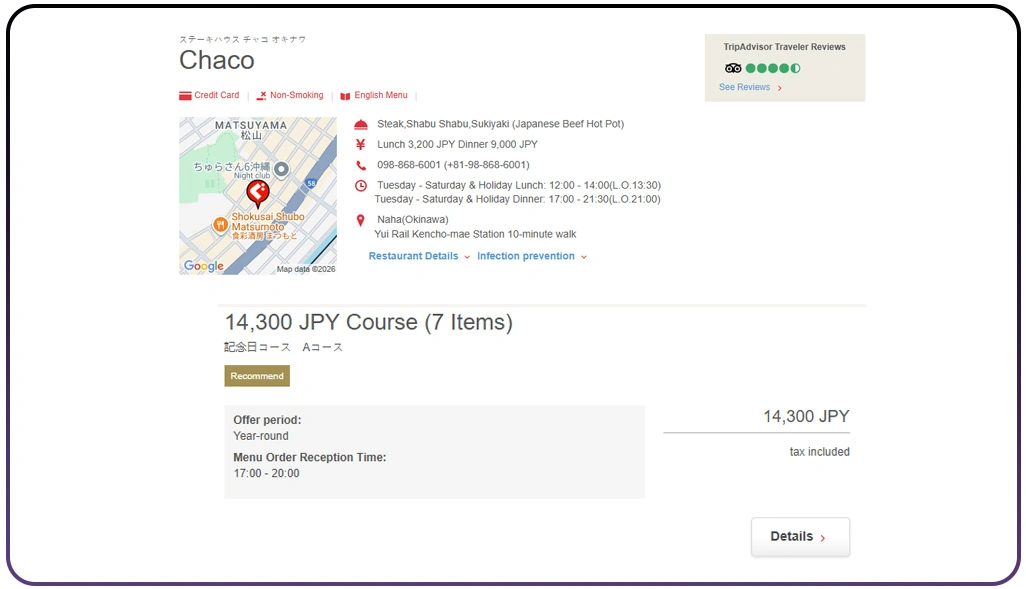
Pricing remains one of the most sensitive decision variables within Japan's competitive dining landscape. Even small deviations from perceived value can influence customer choice, particularly in densely populated restaurant zones. Platform-derived menu histories allow analysts to track how price changes impact engagement, reviews, and conversion patterns over time.
Using historical menus, businesses can Extract Rakuten Gurunavi Pricing Trends Japan and correlate them with performance outcomes. This analysis reveals that establishments maintaining pricing within competitive ranges experience fewer demand drops during economic fluctuations. Access to structured Food and Restaurant Datasets further enables segmentation by cuisine, city, and service type, offering clarity on how different pricing strategies perform across regions.
Customer perception plays an equally critical role. Through Rakuten Gurunavi Reviews Scraping, sentiment analysis highlights how diners respond to portion size, pricing fairness, and menu clarity. Restaurants that respond to recurring feedback patterns often see improved ratings within two to three months, reinforcing the value of responsive pricing strategies.
Pricing And Engagement Impact Metrics:
| Pricing Element | Measured Outcome |
|---|---|
| Competitive Price Alignment | 18% Booking Stability |
| Seasonal Menu Updates | 17% Engagement Lift |
| Discount Optimization | 24% Order Volume Growth |
| Value-Based Feedback | 19% Rating Improvement |
These insights confirm that pricing decisions supported by structured data outperform intuition-based approaches in long-term performance.
Benchmarking Market Position Through Competitive Signals
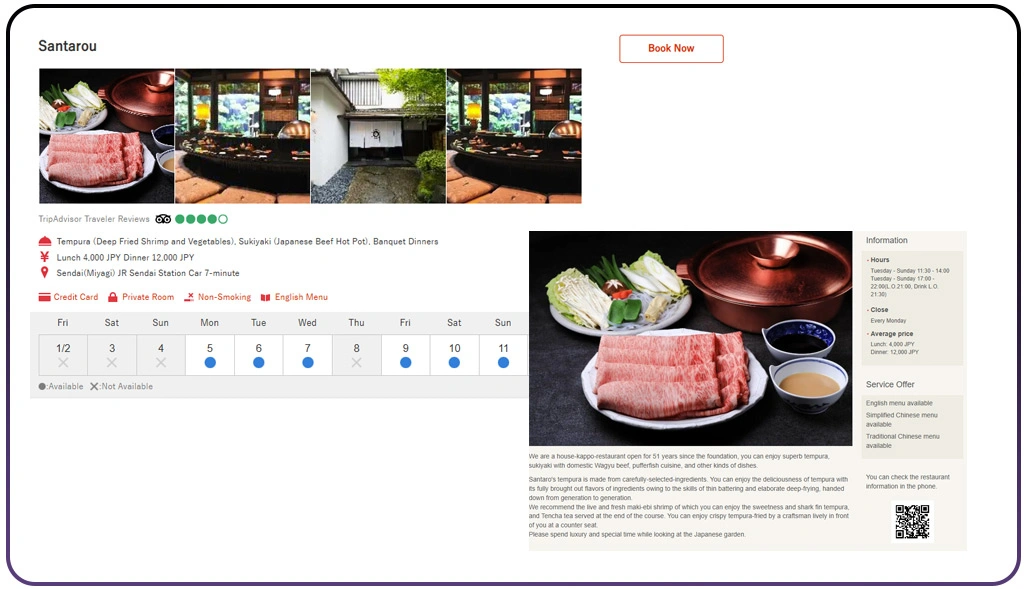
Competitive success within Japan's dining sector increasingly depends on continuous awareness of peer activity. Restaurants no longer compete solely on food quality but also on visibility, consistency, and responsiveness. Platform-level intelligence provides early indicators of competitive threats and emerging leaders across cuisine categories and regions.
Through Japan Restaurant Trends Analysis via Rakuten, businesses can identify which dining formats are gaining popularity and which are losing relevance. Trend analysis shows that operators monitoring competitor behavior quarterly adapt faster to market shifts than those relying on static reports. This proactive benchmarking helps refine positioning before performance declines become visible.
Advanced Web Scraping Services support aggregation of ranking changes, promotional activity, and listing enhancements across thousands of restaurants. These datasets allow comparison of menu diversity, pricing ranges, and review velocity within the same locality. Restaurants using such intelligence often refine branding, update menus, and optimize promotions more effectively than competitors operating without structured benchmarks.
Competitive Performance Indicators:
| Benchmark Area | Strategic Benefit |
|---|---|
| Listing Visibility Changes | Improved discoverability |
| Review Velocity Monitoring | Early risk identification |
| Promotion Frequency | Conversion optimization |
| Menu Differentiation Index | Stronger positioning |
By transforming competitive signals into structured benchmarks, restaurants can strengthen market presence while minimizing reactive decision-making.
How Web Data Crawler Can Help You?
Strategic restaurant decisions increasingly depend on structured intelligence derived from live digital ecosystems. By integrating Rakuten Gurunavi Data Scraping for Japan Dining Insights into analytics workflows, businesses gain continuous visibility into consumer behavior, pricing dynamics, and competitive movements across Japan's dining landscape.
Our support includes:
- Continuous monitoring of dining platform activity.
- Structured menu and pricing intelligence.
- Regional demand and cuisine performance mapping.
- Review sentiment and engagement analysis.
- Competitor benchmarking frameworks.
- Scalable data delivery formats.
In the final stage of insight activation, Restaurant Data Scraper Japan capabilities ensure accurate, compliant, and decision-ready datasets tailored to specific market objectives.
Conclusion
Japan's restaurant market continues to evolve rapidly, driven by digital-first consumer interactions and platform-led discovery. When analyzed effectively, Rakuten Gurunavi Data Scraping for Japan Dining Insights reveals measurable behavioral shifts that directly influence menu planning, pricing stability, and competitive positioning.
By aligning strategic planning with Restaurant Data Scraper Japan intelligence, food brands and operators can confidently respond to market changes. Connect with Web Data Crawler today to transform dining data into actionable growth strategies.