
How does Kaspi.kz E-Commerce Data Scraping for Product Specifications Drive 25% Product & Pricing insights?
Jan 06
Introduction
Kazakhstan's fast-growing digital commerce ecosystem has made Kaspi.kz a dominant marketplace for electronics, home appliances, lifestyle goods, and everyday consumer products. As competition intensifies, brands and sellers must move beyond manual monitoring to understand product specifications, pricing shifts, and assortment strategies at scale. This is where Kaspi.kz E-Commerce Data Scraping for Product Specifications becomes a critical driver of intelligence-driven decisions.
Modern retailers no longer rely solely on static reports. Instead, they depend on Web Scraping Ecommerce Data to track dynamic attributes such as technical features, bundled accessories, seller-level pricing, and availability fluctuations. Kaspi.kz hosts thousands of SKUs across categories, making it nearly impossible to monitor these changes manually without automation.
Accurate product specification data helps businesses compare similar items, identify gaps in competitor listings, and align pricing with feature depth. Even minor differences in specifications can significantly influence consumer choices and conversion rates. In this blog, we explore how structured extraction of Kaspi.kz product specification data solves real-world business challenges.
Improving Attribute Consistency Across Product Listings
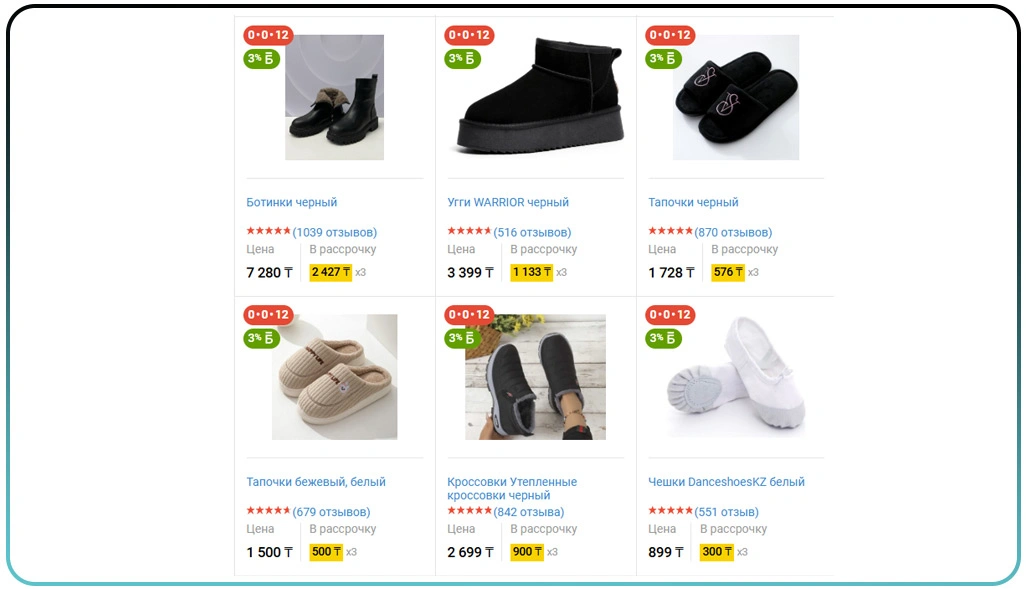
In large online marketplaces, inconsistent product attributes often create confusion for buyers and internal teams alike. Variations in specification naming, missing details, and unstructured descriptions weaken product comparison and reduce buyer confidence. Businesses need a systematic way to standardize these attributes without manual intervention.
Using tools to Extract Kaspi.kz E-Commerce Data for Competitive Product Guide, organizations can collect detailed product attributes such as dimensions, materials, compatibility details, and feature highlights in a structured manner. This approach eliminates ambiguity across similar listings and ensures that every SKU follows a consistent attribute framework.
Centralized E-Commerce Datasets enable brands to analyze how specification completeness affects customer engagement and conversion behavior. Research shows that listings with uniform and detailed specifications reduce bounce rates by nearly 15% and improve trust during purchase evaluation. Structured attribute intelligence also helps merchandising teams optimize listings by highlighting the most influential features.
The table below demonstrates the impact of structured specification visibility:
| Attribute Evaluation Area | Unstructured Listings | Standardized Attributes |
|---|---|---|
| Comparison Accuracy | Low | High |
| Feature Visibility | Inconsistent | Uniform |
| Internal Analysis Speed | Slow | Accelerated |
| Listing Optimization | Reactive | Proactive |
By creating consistency at the attribute level, businesses gain stronger product clarity, faster benchmarking, and improved catalog performance without relying on manual audits.
Enhancing Pricing Clarity Through Competitive Signals
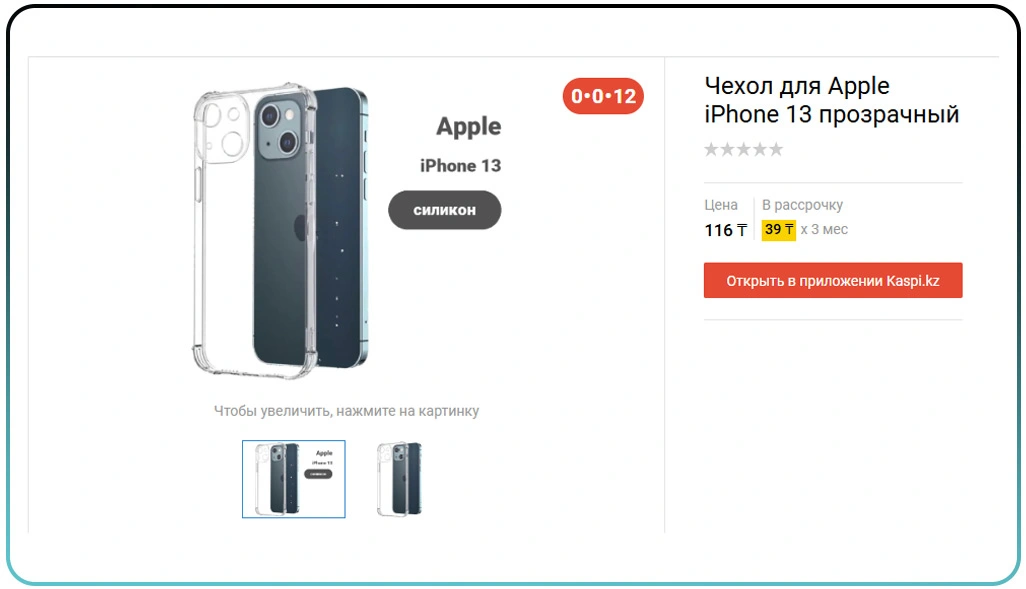
Pricing volatility is one of the biggest challenges sellers face in dynamic digital marketplaces. Price changes often occur due to seller competition, promotional strategies, or perceived value differences based on specifications. Without structured intelligence, pricing decisions are frequently reactive and disconnected from actual market signals.
Through Marketplace Data Crawling via Kaspi.kz, businesses gain continuous visibility into pricing movements across categories and sellers. This allows teams to understand how pricing correlates with feature depth, brand positioning, and promotional timing. When combined with Kaspi.kz Product Data Extractor for Market Insights, pricing teams can map specification variations directly against price bands.
This structured approach strengthens Market Research by enabling evidence-based analysis rather than assumptions. Businesses can identify when competitors increase prices due to enhanced specifications or reduce prices to clear inventory. Organizations using pricing intelligence aligned with product attributes report improved margin stability and fewer unnecessary price reductions.
The table below highlights pricing clarity improvements:
| Pricing Insight Factor | Manual Monitoring | Automated Intelligence |
|---|---|---|
| Price Change Detection | Delayed | Timely |
| Feature-Based Pricing | Limited | Accurate |
| Competitive Benchmarking | Fragmented | Comprehensive |
| Decision Confidence | Low | High |
With clearer pricing signals tied to product value, teams can adjust strategies faster, maintain competitiveness, and protect profitability without engaging in blind price competition.
Scaling Variant-Level Intelligence Efficiently

Managing thousands of product variants introduces operational complexity that manual processes cannot sustain. Slight differences in specifications, seller pricing, and discount structures across variants can significantly affect performance, yet these changes are often difficult to track at scale.
Using to Scrape Kaspi Discount Trends Across the Kazakhstan, businesses can identify how discounts fluctuate across product variations and seller profiles. This insight reveals which variants attract promotional activity and which maintain price stability. A Seller Pricing Data Crawler via Kaspi.kz Data further supports competitive monitoring by exposing seller-level pricing behavior across identical or similar variants.
At scale, a Kaspi.kz SKU Level Data Scraper consolidates variant-specific attributes, pricing, and availability into a unified analytical view. Supported by a robust Web Crawler, this process reduces manual workload while improving visibility across complex catalogs. Organizations leveraging variant-level intelligence experience faster detection of underperforming SKUs and more precise promotional planning.
The table below outlines operational efficiency gains:
| Variant Intelligence Area | Manual Tracking | Automated Monitoring |
|---|---|---|
| Variant Accuracy | Medium | High |
| Discount Pattern Analysis | Low | Strong |
| Seller Comparison | Limited | Detailed |
| Operational Efficiency | Slow | Optimized |
By scaling variant-level visibility, businesses simplify decision-making, reduce operational friction, and maintain consistent control over expansive product catalogs.
How Web Data Crawler Can Help You?
In competitive e-commerce environments, transforming marketplace data into structured intelligence requires more than basic extraction tools. By applying Kaspi.kz E-Commerce Data Scraping for Product Specifications in the middle of your analytics workflow, teams gain consistent access to real-time product attributes and pricing signals.
Key capabilities include:
- Automated tracking of specification changes across categories.
- Continuous monitoring of price movements and seller behavior.
- Structured normalization of product attributes.
- Scalable handling of high-SKU volumes.
- Clean datasets ready for BI and analytics platforms.
- Reduced manual effort and operational overhead.
By integrating advanced extraction workflows with Extract Kaspi.kz E-Commerce Data for Competitive Product Guide, businesses achieve clarity, consistency, and speed in decision-making across the Kaspi.kz ecosystem.
Conclusion
Data-driven commerce success depends on visibility, accuracy, and speed. Using Kaspi.kz E-Commerce Data Scraping for Product Specifications allows brands to replace assumptions with evidence-based strategies, ensuring products are positioned correctly within competitive landscapes.
As Kaspi.kz continues to evolve, scalable data intelligence becomes essential rather than optional. With Marketplace Data Crawling via Kaspi.kz, organizations can proactively adapt to pricing shifts, optimize product catalogs, and respond faster to consumer demand. Connect with Web Data Crawler today and start building smarter product and pricing strategies.