
How to Extract Contractor and Designer Information From Houzz to Boost US Market Insights?
Oct 17
Introduction
In the competitive US design industry, having access to accurate contractor and designer information is essential for making informed business decisions. Businesses today are increasingly turning to Web Scraping Real Estate Data to gain actionable insights into market trends, customer preferences, and service offerings. By analyzing detailed information from platforms like Houzz, companies can identify top-performing contractors, popular design styles, and emerging trends in residential and commercial projects.
Extracting relevant data from Houzz allows firms to track service providers, study design portfolios, and evaluate project success rates. This process not only helps in mapping the competitive landscape but also supports strategic planning for expansion and client engagement. Companies can combine data on contractors and designers with analytics on regional demand and project pricing to optimize marketing and operational strategies.
Understanding the US design market through data allows organizations to anticipate emerging trends and tailor their offerings to customer needs. By leveraging precise data extraction techniques, companies can streamline research, minimize manual effort, and enhance decision-making accuracy. Integrating strategies to Extract Contractor and Designer Information From Houzz becomes essential for businesses looking to strengthen their market intelligence and stay ahead in the competitive US design landscape.
Identifying Emerging Talent and Trends in Design Professionals
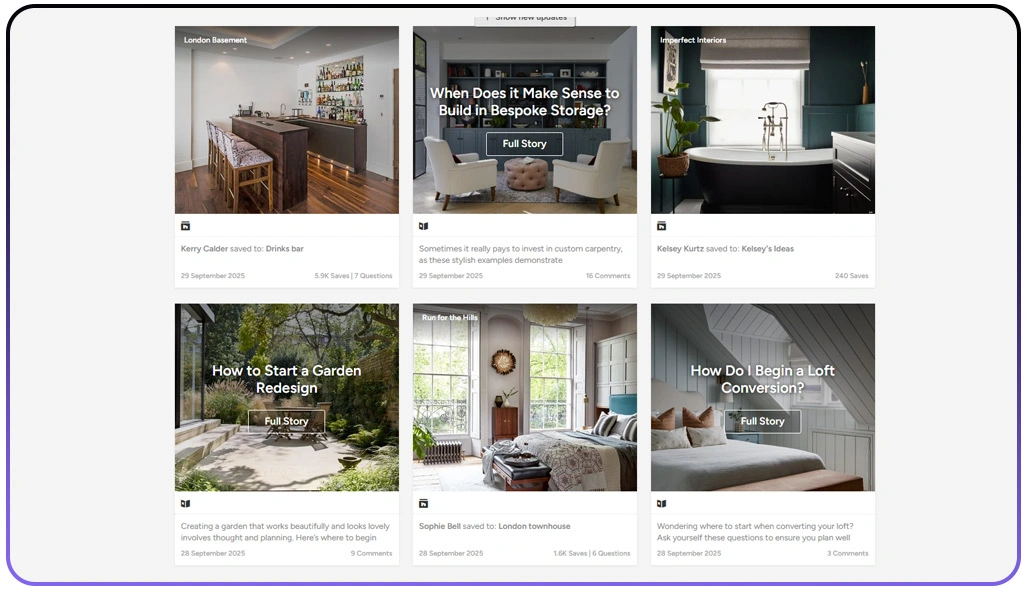
Gaining insights into which contractors and designers are trending is essential for businesses aiming to stay competitive. By systematically reviewing profiles and project portfolios, firms can spot emerging talent and track changing client preferences. Using tools like Houzz API Data Scraper provides access to this valuable information, enabling companies to make informed decisions when partnering with professionals on both residential and commercial projects.
| Metric | Value |
|---|---|
| Total Contractors Listed | 12,500 |
| Active Designers | 8,200 |
| Monthly Profile Updates | 2,300 |
| Positive Client Reviews | 91% |
Through Scraping Houzz Reviews and Ratings for Analytics, organizations can assess service quality, satisfaction levels, and reputation trends among design professionals. This structured data helps uncover patterns in completed projects, such as preferred styles, materials, and project scope. Companies can then segment talent by region, specialty, or project type, optimizing partnerships and vendor selection processes.
Further, analyzing client reviews enables businesses to understand project timelines, budget adherence, and communication effectiveness. For example, data may show that certain designers consistently exceed expectations on residential remodeling projects while others excel in commercial interiors. Such insights allow firms to prioritize collaboration with high-performing professionals, ensuring project success and higher client satisfaction.
Monitoring activity trends over time also reveals emerging industry movements. For instance, a 20% growth in eco-friendly and sustainable designs indicates growing market demand. By integrating these analytics into decision-making frameworks, businesses can stay informed about changing preferences and market opportunities. The combination of project data and review analysis equips firms to anticipate demand, refine service offerings, and maintain a competitive edge in the US design sector.
Mapping Regional Design Preferences Using Comprehensive Listings Analysis
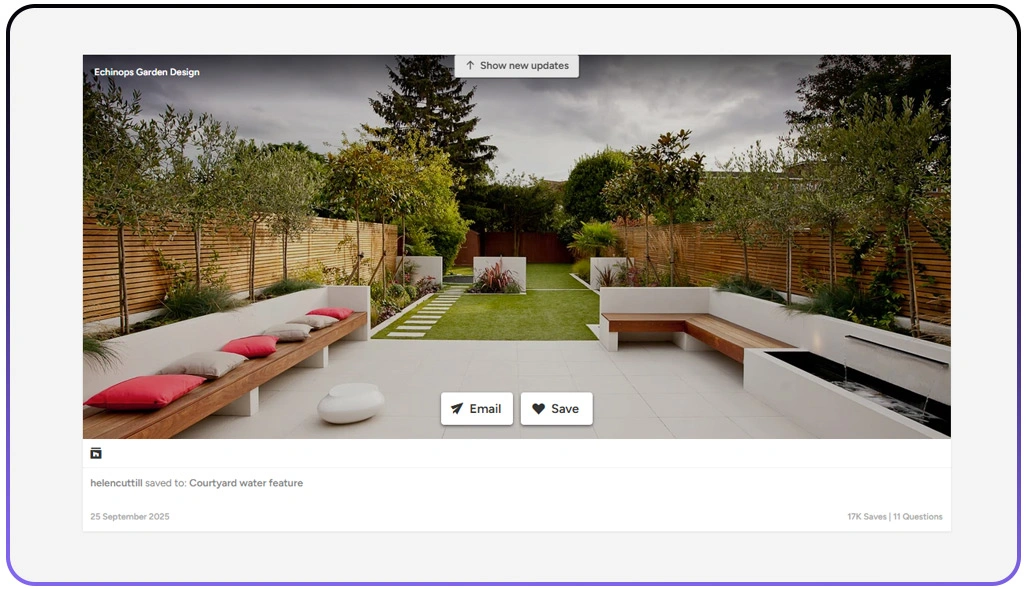
For companies targeting regional market intelligence, evaluating design trends across different locations is essential. By analyzing project portfolios and completed works, firms can determine which styles, themes, and design approaches are most popular in various US regions. This analysis assists in optimizing marketing strategies and resource allocation.
| Trend Category | Popularity Growth | Key Regions |
|---|---|---|
| Modern Minimalist | 25% | California, New York |
| Rustic Farmhouse | 18% | Texas, Colorado |
| Industrial Chic | 12% | New York, Illinois |
| Sustainable Designs | 20% | Washington, Oregon |
Applying Popular Real Estate Data Scraping techniques enables businesses to gather listings and historical project information systematically. This structured data allows companies to identify emerging design patterns, track project frequency, and compare pricing across locations. Firms can also detect gaps where demand outpaces supply, uncovering opportunities for strategic expansion.
Ultimately, regional listings analysis, supported by structured scraping methods, helps businesses make decisions backed by measurable data. Tracking design trends over time enhances forecasting accuracy and strengthens market positioning. By combining listings data with client feedback and project insights, companies gain a clear understanding of regional dynamics, empowering smarter operational strategies.
Evaluating Project Portfolios to Understand Competitive Design Landscape
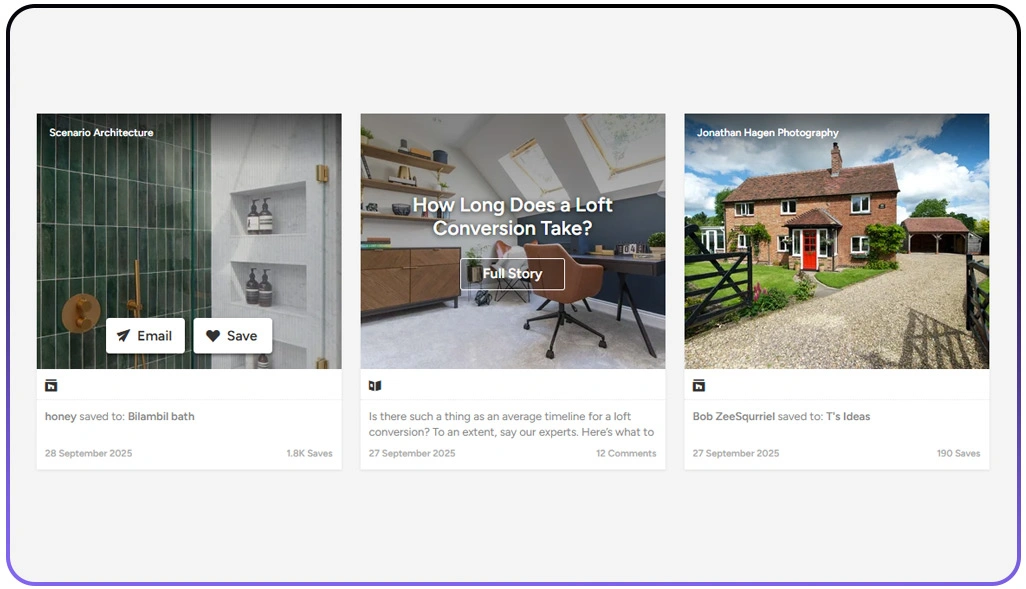
Analyzing design project portfolios is key for competitive intelligence. Companies can track trends, understand the breadth of services, and monitor pricing variations by reviewing completed projects and professional profiles.
| Metric | Insight |
|---|---|
| Total Active Listings | 45,000 |
| Renovation Projects | 28,000 |
| Interior Design Focus | 15,000 |
| Commercial Projects | 7,000 |
With Scrape Houzz Listings, businesses can collect data on project timelines, budget, and specialty areas. This information allows firms to identify top performers, spot under-served segments, and uncover potential collaboration opportunities. Monitoring listings also highlights where competition is high or low, enabling smarter strategy development.
Analyzing project portfolios further provides insights into client preferences and industry movements. Trends such as increased demand for modern minimalist interiors or commercial renovations help companies tailor service offerings. Data segmentation by project type and region helps identify potential growth markets.
Integrating this analysis into strategic planning enables businesses to maintain a competitive edge. Using portfolio and listing intelligence provides a comprehensive overview of the market, helping companies align offerings with demand and achieve measurable growth in the US design industry.
Leveraging Client Feedback to Shape Design Service Offerings
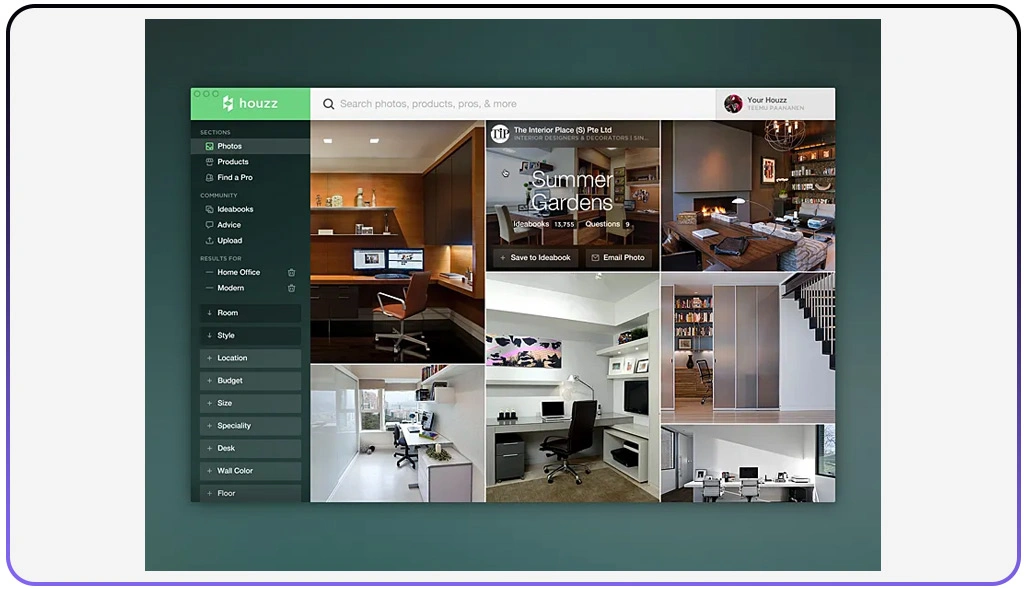
Customer satisfaction is a vital component of business strategy. By analyzing reviews and ratings, companies can identify patterns, assess service quality, and pinpoint areas for improvement across different service providers.
| Rating | Percentage of Total Reviews |
|---|---|
| 5 Stars | 61% |
| 4 Stars | 21% |
| 3 Stars | 10% |
| 2 Stars | 5% |
| 1 Star | 3% |
Through Review Scraping Services, firms can gather structured insights on client feedback for specific projects and contractors. This allows businesses to monitor reputation, evaluate performance, and understand recurring customer concerns. Quantitative and qualitative review data provides a holistic view of service trends and market expectations.
Analyzing reviews enables companies to uncover popular design approaches, project satisfaction levels, and emerging client priorities. For instance, consistently high ratings for sustainable materials or modern aesthetics indicate rising market interest. Firms can use this intelligence to adapt service offerings and prioritize high-demand design elements.
Integrating review insights with broader data trends, such as project portfolios and listings, allows companies to make informed decisions on collaborations, pricing strategies, and marketing campaigns. Combining this with Web Scraping houzz.com Data for Business Intelligence ensures that both qualitative and quantitative market signals inform business strategy.
Forecasting Opportunities by Analyzing Evolving Design Patterns
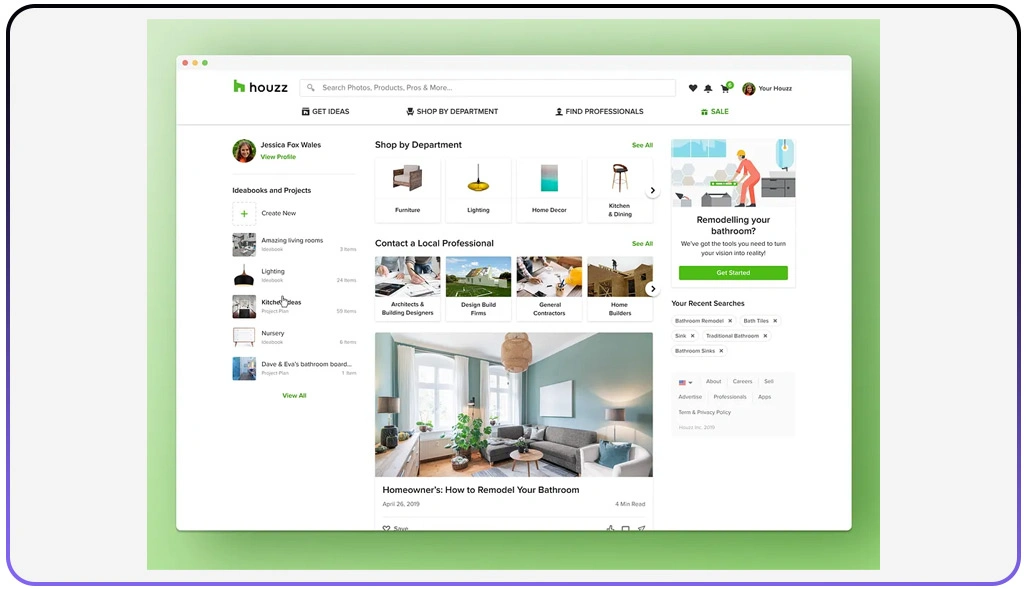
Monitoring evolving design trends is crucial for strategic business decisions. By analyzing styles, project types, and portfolio data with a Houzz API Data Scraper, companies can forecast market demand and position themselves effectively.
| Design Focus | Growth Rate | Key Opportunities |
|---|---|---|
| Minimalist Interiors | 25% | Residential Projects |
| Luxury Bathrooms | 18% | High-End Remodels |
| Outdoor Spaces | 15% | Landscape Design |
| Commercial Interiors | 12% | Office Renovations |
Analyzing Design Trends Using Houzz Scraped Data allows businesses to identify emerging styles and popular design approaches. Data-driven insights support strategic planning, resource allocation, and market expansion initiatives.
Through trend analysis, firms can spot gaps in the market, prioritize high-value opportunities, and evaluate which projects promise higher returns. For example, rising interest in outdoor spaces could lead companies to expand offerings in landscaping or exterior renovations.
Tracking design evolution also enables better contractor selection. By focusing on professionals who excel in high-demand trends, businesses ensure project quality and client satisfaction. Combining trend insights with historical project data strengthens predictive models and allows companies to forecast which styles or project types will perform best.
Tracking Real-Time Developments to Inform Strategic Design Decisions
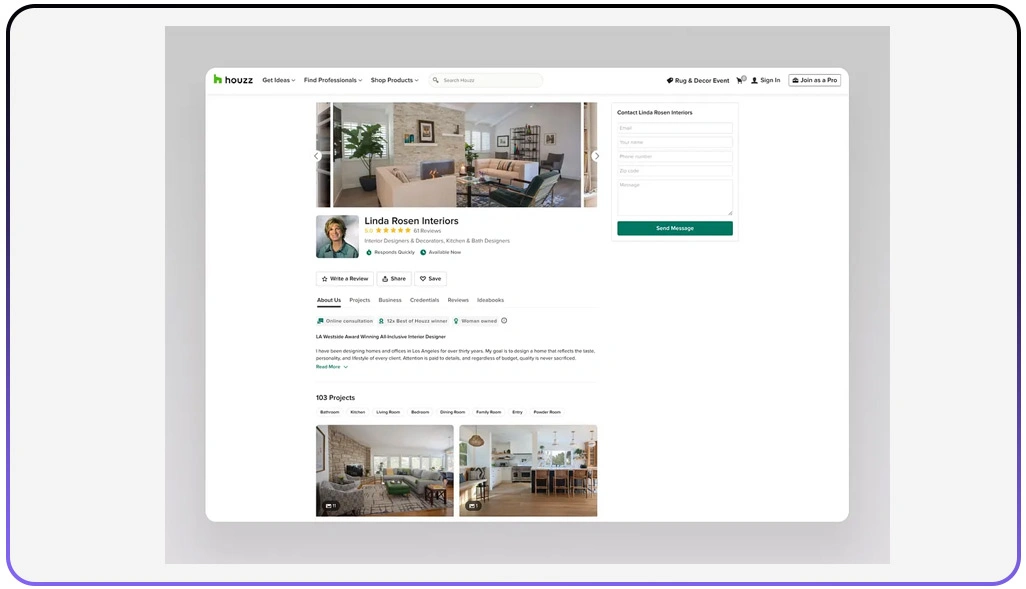
Keeping up with active projects and ongoing trends is crucial for operational agility. Real-time monitoring allows companies to respond quickly to emerging opportunities and shifting client preferences.
| Data Type | Frequency |
|---|---|
| Project Updates | Daily |
| Listing Modifications | Weekly |
| Designer Portfolio Additions | Weekly |
| Customer Feedback | Real-Time |
Implementing Real-Time Houzz Data for Market Trend Forecasting ensures organizations have timely access to updates on new listings, design portfolios, and completed projects. Immediate visibility into market activity supports faster decision-making and strategy adjustments.
Integrating Live Crawler Services enables automated data collection, eliminating manual tracking and providing uninterrupted insights. Businesses can monitor competitor activity, track project completions, and evaluate regional popularity of design trends. This data supports resource allocation, risk mitigation, and operational planning.
By combining real-time and historical information, organizations gain predictive insights that enhance strategic decisions. Companies can forecast market demand, prioritize profitable opportunities, and fine-tune marketing campaigns. Timely access to actionable data helps ensure project success and strengthens client relationships.
Overall, continuous tracking of market activity allows companies to remain responsive, agile, and informed. Leveraging structured real-time data ensures organizations maintain competitiveness in a rapidly evolving design industry.
How Web Data Crawler Can Help You?
Businesses aiming to improve design market intelligence can significantly benefit from using advanced data extraction tools. By relying on sophisticated solutions, companies can Extract Contractor and Designer Information From Houzz without manual effort, ensuring accuracy and efficiency.
We support actionable insights through:
- Streamlined access to extensive Houzz data.
- Automated data cleaning and structuring.
- Identification of high-performing contractors and designers.
- Regional and project-based segmentation.
- Predictive trend analysis and forecasting.
- Integration with internal analytics platforms.
In addition, the platform facilitates Web Scraping houzz.com Data for Business Intelligence, allowing firms to convert raw data into meaningful reports. This enhances decision-making, improves market responsiveness, and supports strategic planning.
Conclusion
Integrating detailed insights from Houzz allows businesses to refine operations, forecast design trends, and make informed decisions. By applying Extract Contractor and Designer Information From Houzz, organizations can monitor competitors, evaluate contractor performance, and identify high-demand service areas efficiently.
Additionally, combining this approach with Scraping Houzz Reviews and Ratings for Analytics ensures that customer satisfaction and feedback are fully considered in strategy development. Contact Web Data Crawler today to implement this powerful data extraction solution.