
How Canadian Grocery Data Scraping for Inflation Trend Analysis Tracks 500K+ SKU Price Movements?
Jan 09
Introduction
In recent years, food prices across Canada have become increasingly unpredictable, making it difficult for businesses and policymakers to track inflation effectively. Web Scraping Grocery Data enables analysts to monitor price fluctuations for hundreds of thousands of SKUs, offering granular insights into the retail landscape.
By tapping into digital pricing, promotions, and stock availability, grocery chains, economists, and researchers can observe trends across different regions and product categories in near real-time. This method eliminates the traditional lag associated with manual data collection and allows for more responsive strategies in pricing, inventory management, and market forecasting.
Canadian Grocery Data Scraping for Inflation Trend Analysis is particularly valuable as it aggregates data from multiple sources, ensuring that stakeholders have a unified view of evolving market dynamics. Through this approach, grocery retailers can not only understand historical price movements but also predict future trends, making informed decisions that optimize revenue and improve customer satisfaction.
Comprehensive Insights Into Regional Grocery Price Differences Across Provinces
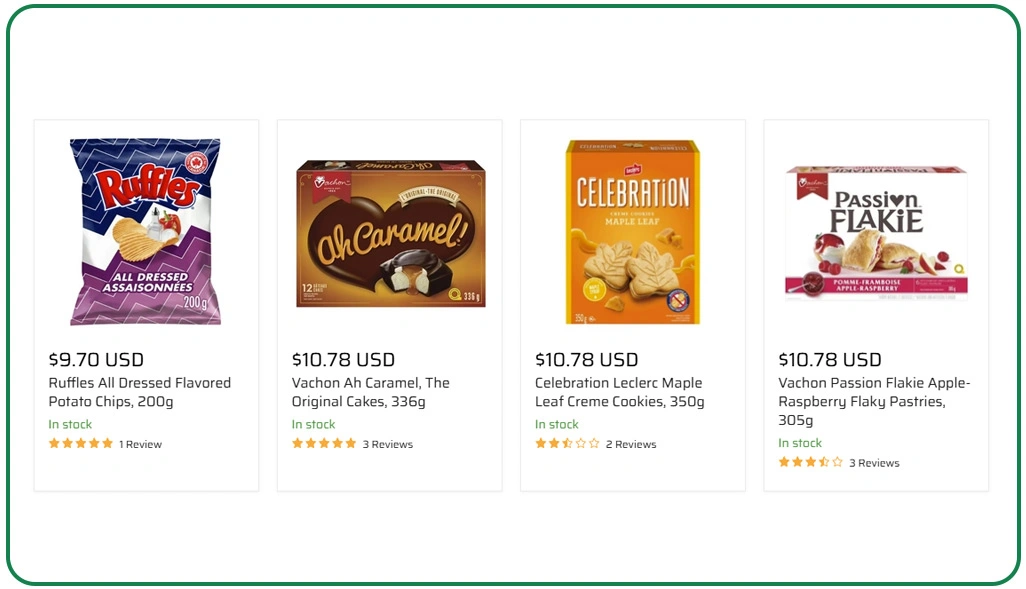
Managing grocery price variations across different regions requires detailed and granular data insights. Popular Grocery Data Scraping enables analysts to capture pricing information from thousands of stores across multiple provinces, helping businesses understand how inflation affects local markets differently.
For instance, urban stores often exhibit higher price volatility due to rent, logistics, and demand fluctuations, while rural stores may show slower changes. Access to this data allows companies to benchmark prices, optimize inventory, and design pricing strategies suited to each region's market conditions.
Fresh produce and dairy often experience sharp price swings depending on local supply disruptions or transportation costs, while packaged goods tend to remain relatively stable. Using tools like Supermarket Inflation Scraper Across the Canada, analysts can compare store-level pricing patterns to understand competitive pressures and evaluate market performance.
| Province | Avg SKU Price Increase | SKU Count Monitored | Observations |
|---|---|---|---|
| Ontario | 4.8% | 120,000 | Urban stores show more volatility |
| Quebec | 3.9% | 90,000 | Rural areas experience slower changes |
| British Columbia | 5.2% | 80,000 | Seasonal produce affects pricing |
| Alberta | 4.1% | 70,000 | Promotions influence regional differences |
Leveraging Grocery Annual Pricing Analysis via Crawler ensures businesses have reliable insights to plan for the year ahead. Access to these datasets empowers teams to monitor trends, reduce risks, and maintain competitiveness in an ever-changing market.
Understanding Dynamic Price Movements In Fast-Moving Grocery Markets
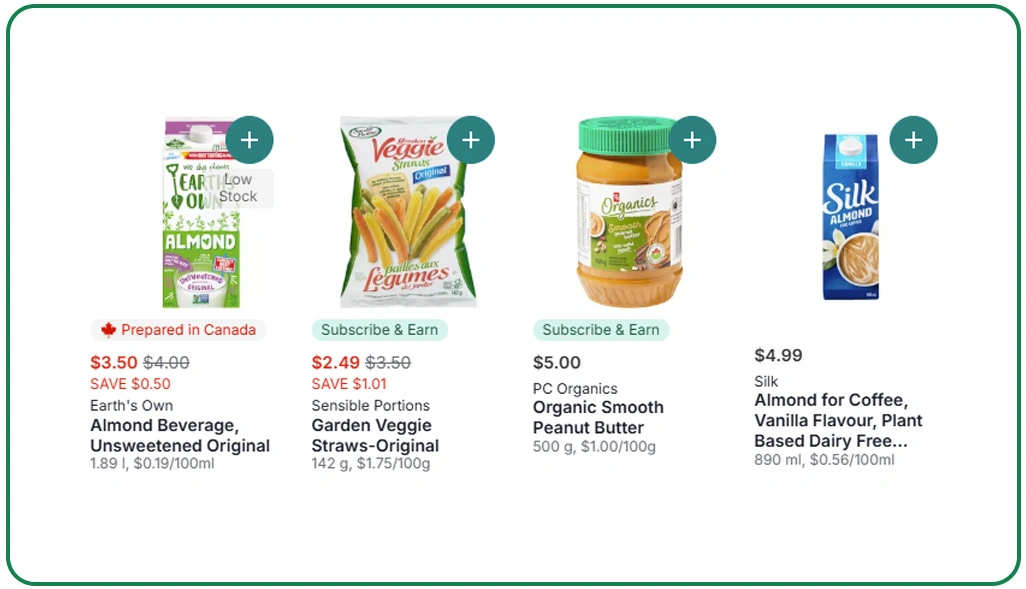
The rapid changes in grocery pricing, especially with the rise of online quick delivery services, require close monitoring. Quick Commerce Datasets provide a detailed view of real-time SKU-level price fluctuations, revealing trends in demand, supply disruptions, and promotional impacts. For example, dairy and fresh produce categories often experience daily variations, while packaged goods show smaller, less frequent changes.
Capturing this level of data allows retailers and analysts to make informed pricing and stocking decisions quickly. Analyzing these fast-moving datasets helps businesses evaluate consumer responsiveness to offers and identify categories most affected by inflation.
For instance, products in high-demand urban areas may fluctuate more frequently, while items in less competitive markets remain steady. Using this data, teams can forecast upcoming price movements, plan promotions, and assess the financial impact of changing consumer behavior.
| Category | Daily Price Change % | SKU Count | Observed Trends |
|---|---|---|---|
| Dairy | 2.5% | 25,000 | Seasonal demand spikes increase volatility |
| Fruits & Veg | 3.1% | 30,000 | Supply disruptions lead to price swings |
| Beverages | 1.8% | 20,000 | Promotional offers create short-term impact |
| Snacks | 1.2% | 15,000 | Stable prices with minor weekly changes |
Integrating Canadian Grocery Price Changes Data Extractor enables stakeholders to track these fast-paced movements, compare trends across categories, and optimize decision-making processes. Access to these insights ensures that businesses can maintain accurate pricing strategies and manage market shifts effectively.
Leveraging Consumer Behavior Insights For Pricing Strategy Optimization
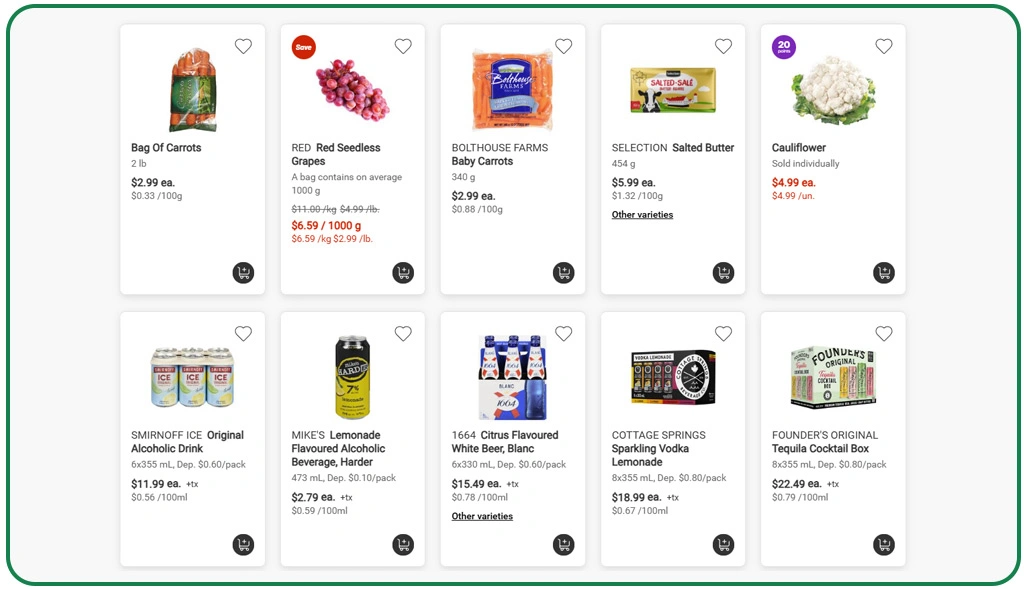
Understanding consumer spending patterns is essential for creating effective pricing strategies. Scraping API solutions capture data on shopping behaviors, basket sizes, and product preferences across various grocery chains. This allows analysts to determine which products are most sensitive to price changes, which ones are driving revenue, and which require promotional adjustments.
By linking purchasing behavior to store-level pricing, companies can better align offers with consumer demand. The insights gained from these datasets highlight patterns across different consumer segments. Young adults may prioritize discounts on snacks and beverages, while families focus on bulk purchases of fresh produce and dairy.
Seniors often remain loyal to specific brands and adjust buying frequency based on price changes. Professionals tend to buy ready-to-eat meals more frequently, showing unique basket patterns. Leveraging this behavioral information helps companies optimize pricing, inventory planning, and targeted promotions.
| Consumer Segment | Avg Monthly Spend | Popular Category | Observed Behavior |
|---|---|---|---|
| Young Adults | $450 | Snacks & Beverages | Focus on discounted SKUs |
| Families | $1,200 | Dairy & Fresh Produce | Weekly bulk purchases dominate |
| Seniors | $600 | Packaged & Frozen Food | Price-driven but brand-loyal |
| Professionals | $700 | Ready-to-Eat Meals | Frequent small basket purchases |
Using Provincial Grocery Variations Data Extraction empowers retailers to adjust pricing strategies according to consumer trends and regional behavior. This ensures businesses can maintain competitive pricing, align with market demands, and maximize revenue potential across the Canadian grocery market.
How Web Data Crawler Can Help You?
Implementing a robust data strategy is key for any organization tracking grocery inflation. Our solutions provide end-to-end insights that simplify complex data collection and analysis. Canadian Grocery Data Scraping for Inflation Trend Analysis ensures accuracy and coverage for over 500,000 SKUs, giving stakeholders a comprehensive perspective on market trends.
Benefits of using our services include:
- Centralized reporting of multi-store data across regions.
- Custom dashboards for instant trend visualization.
- Automated alerts for significant price changes.
- Historical data analysis to forecast future movements.
- Seamless integration with internal analytics systems.
- Optimized SKU-level tracking for precise insights.
In addition, using Scraping Consumer Spending Grocery Data allows businesses to combine price and behavior analytics, enabling more informed decision-making and enhanced operational efficiency.
Conclusion
Effective pricing strategies require a detailed understanding of grocery price dynamics. Canadian Grocery Data Scraping for Inflation Trend Analysis provides comprehensive insights into regional, daily, and seasonal fluctuations, allowing businesses to respond proactively to changing market conditions.
By utilizing tools like Canadian Grocery Price Changes Data Extractor, organizations can analyze consumer trends, monitor competitor pricing, and adjust strategies to maintain profitability. Contact Web Data Crawler for a data-driven approach and gain a competitive edge in the Canadian grocery market.