
How Best Buy Product Data Extraction for Competitor Analysis Unlocks 32% Deeper Tech Insights?
Dec 24
Introduction
In today's highly dynamic consumer electronics ecosystem, brands face continuous pressure to align pricing, product positioning, and innovation cycles with fast-moving competitors. Retailers and manufacturers that rely on delayed or partial information often struggle to respond to real-time market shifts, resulting in missed opportunities and declining margins.
This is where advanced retail intelligence becomes critical. By learning to Scrape Best Buy Product Data, organizations can build a structured view of product assortments, pricing patterns, availability trends, and feature evolution across categories such as laptops, smartphones, smart home devices, and entertainment systems. Best Buy remains one of the most influential technology retailers in the United States, shaping consumer expectations and pricing benchmarks.
Extracting structured data from such a dominant marketplace allows analysts to compare brand positioning, promotional timing, and stock behavior with far greater precision. When executed strategically, Best Buy Product Data Extraction for Competitor Analysis helps businesses move beyond surface-level comparisons and toward insight-driven decisions rooted in measurable performance indicators.
Understanding Competitive Price Differences Across Similar Products
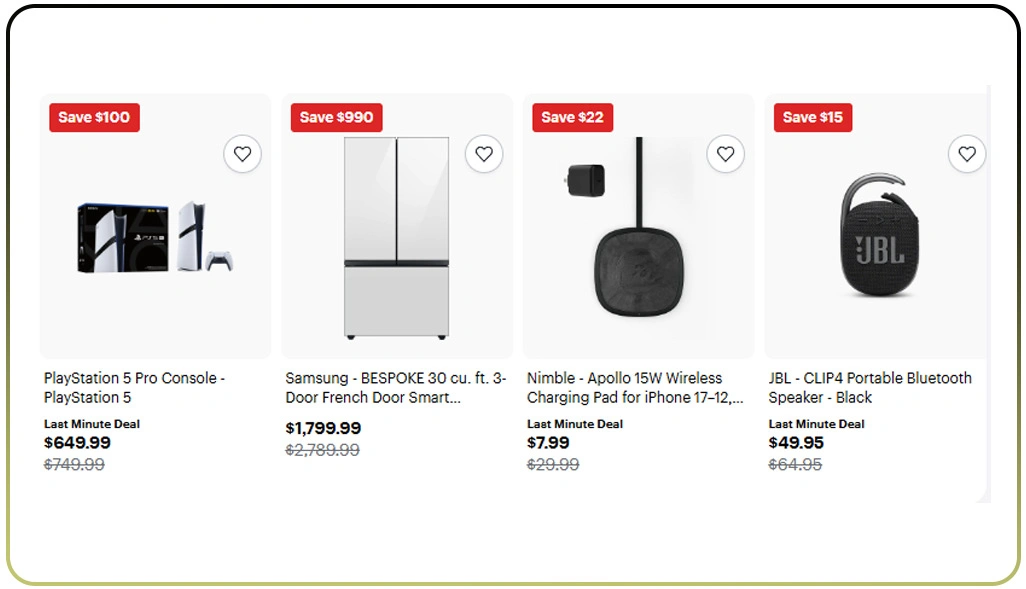
Technology brands often struggle to pinpoint why similarly featured products perform differently across major retail platforms. Minor variations in pricing, bundled offers, or model positioning can dramatically affect customer choice, yet these shifts are difficult to detect without structured competitive visibility. Retail analytics studies indicate that inconsistent pricing alignment can reduce conversion efficiency by up to 25%, especially in high-consideration electronics categories.
By analyzing structured inputs such as the Best Buy Product and Pricing Dataset, businesses can evaluate how comparable SKUs are positioned across brands, categories, and price tiers. This level of granularity allows teams to detect pricing gaps, promotional dependencies, and feature-based markups that influence buying behavior. It also clarifies how often competitors adjust prices in response to seasonal demand or new product introductions.
| Pricing Evaluation Area | Observed Pattern | Strategic Outcome |
|---|---|---|
| Comparable Model Pricing | 7-14% fluctuation range | Margin correction |
| Promotional Frequency | Discounts tied to launches | Timing optimization |
| Feature-Based Premiums | Add-ons drive higher ASP | Value communication |
Using Competitor Price Data Extraction via Best Buy, decision-makers can replace intuition-driven adjustments with evidence-based pricing actions. Rather than reacting to isolated changes, teams gain the confidence to implement controlled price shifts that protect brand perception while remaining commercially viable. Over time, this structured approach strengthens competitive positioning and supports sustainable revenue growth across fast-moving product categories.
Tracking Inventory Signals And Product Lifecycle Changes
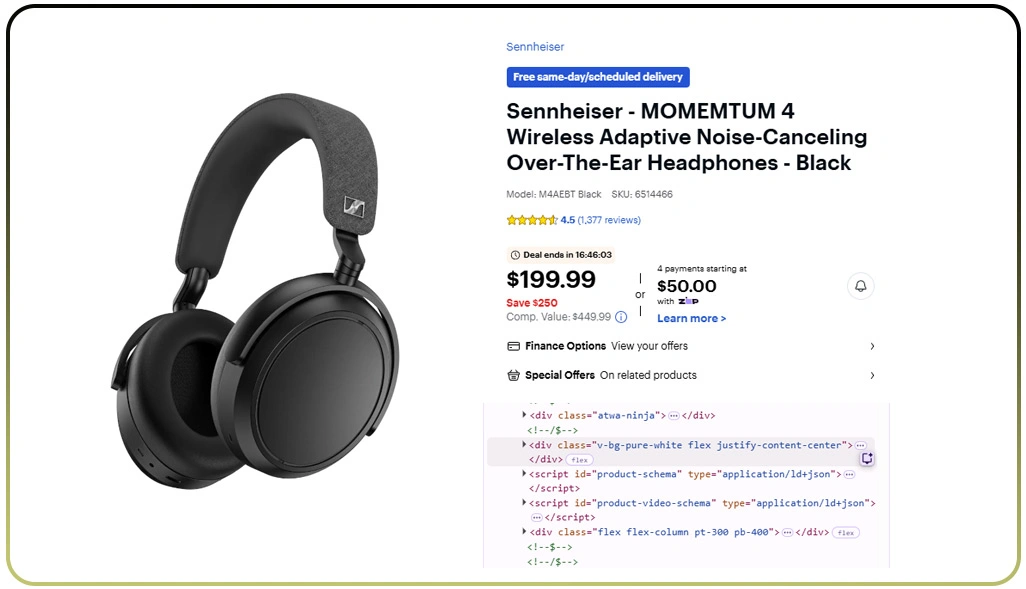
Pricing alone does not define competitiveness in consumer electronics. Availability, lifecycle timing, and listing continuity play an equally critical role in shaping customer trust and sales velocity. Research suggests that products showing inconsistent stock signals can experience up to 18% lower conversion rates, even when demand remains strong. This makes inventory intelligence essential for strategic planning.
By leveraging structured access through the Best Buy E-Commerce Data API, organizations can monitor real-time changes in product availability, SKU introductions, and removals across multiple categories. These signals help identify demand surges, phase-out periods, and launch cycles well before they become visible through sales reports. Such visibility supports better coordination between supply chain, pricing, and marketing teams.
| Inventory Indicator | Insight Derived | Business Application |
|---|---|---|
| Stock Fluctuations | Demand pressure points | Replenishment planning |
| New SKU Listings | Model refresh cycles | Competitive readiness |
| Listing Deactivations | End-of-life products | Portfolio optimization |
When combined with a Best Buy Pricing and Stock Data Extractor, inventory signals can be correlated directly with pricing behavior. Supplementing this with insights from a Best Buy Tech Product Insights Scraper allows brands to understand how innovation cycles affect availability patterns. Together, these intelligence layers help organizations reduce lost sales opportunities, anticipate competitor moves, and align operational planning with real market dynamics instead of delayed indicators.
Converting Competitive Signals Into Strategic Planning Intelligence
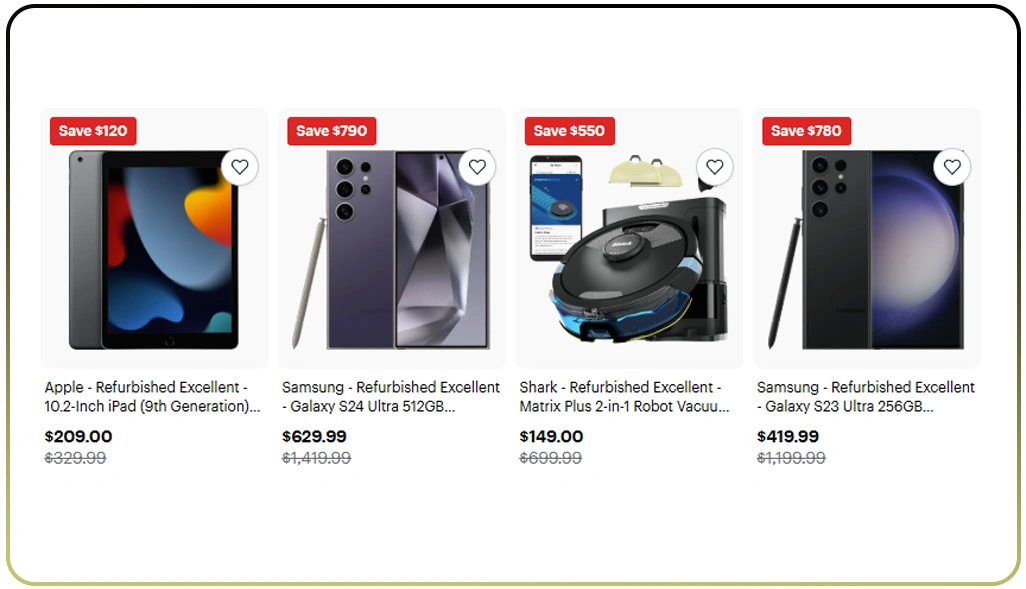
Collecting large volumes of retail data delivers limited value unless it is translated into strategic insight. Technology markets evolve rapidly, with feature adoption, pricing tiers, and category demand shifting each quarter. Organizations that embed data-backed Market Research into planning cycles consistently outperform those relying on historical assumptions or isolated reports.
Advanced analytics show that companies integrating competitive retail signals into decision-making improve forecast accuracy by nearly 30%. By analyzing category expansion, feature penetration, and brand visibility, teams can identify where innovation investments are most likely to deliver returns.
| Intelligence Focus | Analytical Insight | Strategic Benefit |
|---|---|---|
| Feature Adoption | Emerging consumer preferences | Product roadmap clarity |
| Category Growth | High-demand segments | Capital allocation |
| Brand Presence | Visibility benchmarks | Positioning refinement |
Insights derived from Consumer Electronics Insights via Best Buy Scraping help organizations understand how competitors respond to shifting demand patterns. When teams know how to Scrape Best Buy Product Prices, Skus, and Availability, they can align pricing, inventory, and innovation strategies more effectively.
This structured intelligence also supports enterprises looking to Scrape Technology Product Data Intelligence in USA, enabling scalable, data-backed planning across regional and national markets without relying on fragmented information sources.
How Web Data Crawler Can Help You?
Turning fragmented retail information into actionable intelligence requires more than basic tools. In practice, Best Buy Product Data Extraction for Competitor Analysis becomes far more effective when supported by scalable automation and structured delivery pipelines.
We enables organizations to:
- Monitor competitive product movements continuously.
- Track pricing and assortment changes at scale.
- Align inventory signals with demand indicators.
- Support analytics-ready datasets for internal teams.
- Reduce manual monitoring efforts.
- Improve speed of insight delivery.
This approach complements advanced intelligence initiatives, especially when combined with Best Buy Pricing and Stock Data Extractor, delivering clarity across fast-changing retail environments.
Conclusion
Competitive clarity in consumer electronics depends on how effectively data is transformed into insight. When applied strategically, Best Buy Product Data Extraction for Competitor Analysis supports smarter pricing decisions, sharper product positioning, and more confident planning across innovation cycles.
Equally important, structured intelligence from Competitor Price Data Extraction via Best Buy enables teams to move from assumptions to evidence-based action. Ready to elevate your retail intelligence strategy? Connect with Web Data Crawler today and turn competitive data into measurable business growth.