
How to Scrape Food Market Insights in Arizona to Identify Top-Selling Items Across 100+ Outlets?
Jan 16
Introduction
In Arizona's competitive food landscape, staying informed about customer preferences and market trends is essential for restaurants and food chains aiming to maximize profitability. Businesses today rely on Food Data Scraping to collect large volumes of data from multiple outlets efficiently. By leveraging automated tools, operators can access detailed sales trends, top-selling items, and customer behavior patterns across hundreds of locations in real-time.
Data-driven strategies allow food businesses to adapt quickly, optimize menu offerings, and streamline pricing structures. Insights obtained through Scrape Food Market Insights in Arizona help managers make informed decisions, from promotional planning to inventory management. Beyond sales figures, these insights provide a granular view of changing consumer tastes and emerging food trends, which are critical for maintaining a competitive edge.
With access to comprehensive datasets, including menu pricing, portion sizes, and item popularity across 100+ outlets, operators can fine-tune their offerings, ensuring profitability while satisfying evolving customer demands. Real-Time Food Insights From Arizona Markets provide the essential intelligence required to make precise business decisions and optimize sales in this dynamic sector.
Strategies to Collect Comprehensive Datasets from Multiple Locations
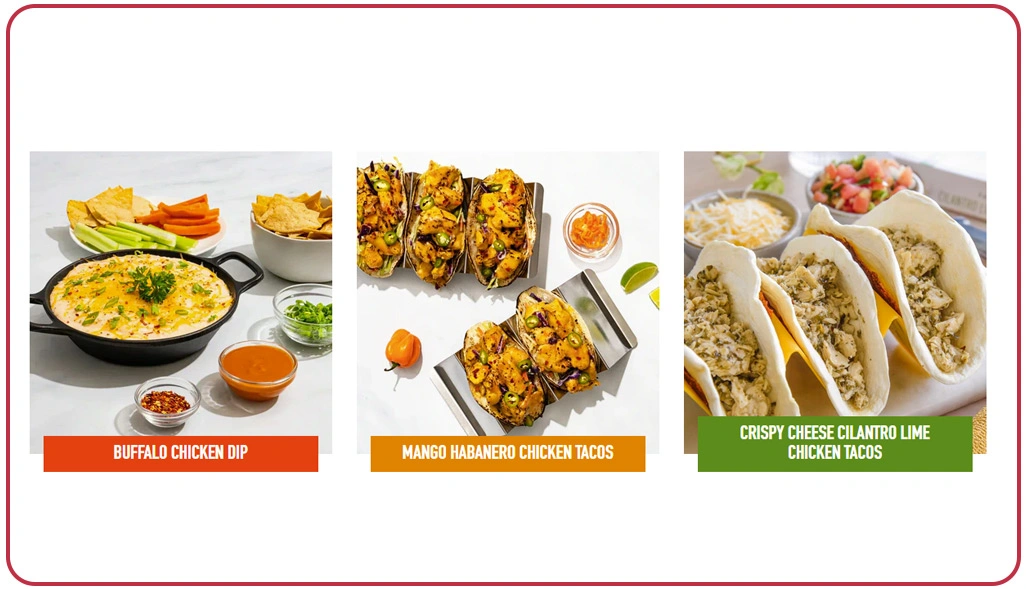
For restaurants and food chains aiming to scale, access to Food and Restaurant Datasets is a major advantage. Collecting and analyzing information across hundreds of outlets provides a clear understanding of what drives sales and customer engagement. By tracking menu offerings, pricing variations, and sales patterns, businesses can identify which items resonate most with consumers.
| Data Type | Purpose | Insights Provided |
|---|---|---|
| Menu Items | Understand customer preferences | Guides product adjustments |
| Pricing | Compare across locations | Supports competitive pricing |
| Sales Volume | Identify top performers | Reveals seasonal demand |
| Customer Reviews | Monitor satisfaction | Helps improve offerings |
| Promotions | Track effectiveness | Informs campaign planning |
By systematically analyzing these datasets, restaurants can uncover trends such as seasonal favorites or regional variations in taste. For instance, a chain might discover that premium desserts sell better in urban outlets, prompting targeted marketing campaigns. Additionally, understanding these patterns allows for efficient resource allocation, reducing waste and ensuring sufficient stock of high-demand items.
Advanced tools and automation simplify the handling of vast amounts of information efficiently, removing the reliance on manual tracking. By adopting a structured methodology, operators can integrate menu details, pricing data, and customer feedback to Extract Restaurant Menu and Pricing Data in Arizona, enabling them to make well-informed strategic decisions.
Techniques to Analyze Market Trends and Consumer Preferences
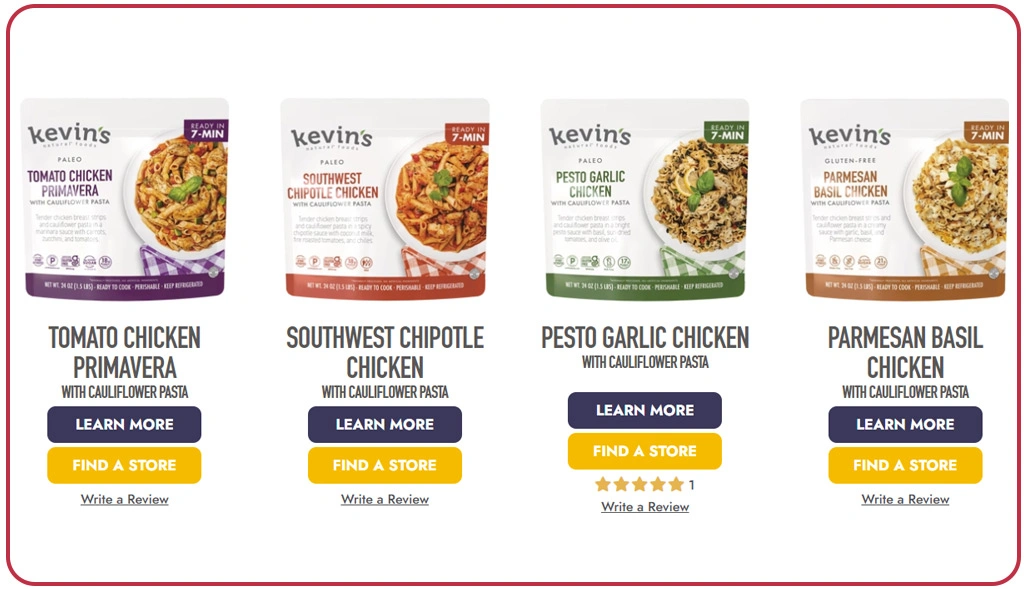
A clear understanding of Market Research is critical for businesses seeking to align their offerings with customer needs. By examining historical and current sales data, restaurants can forecast demand, identify underperforming items, and optimize pricing structures. This analytical approach provides actionable intelligence that helps operators adapt quickly to shifts in consumer preferences.
| Trend Indicator | Methodology | Business Application |
|---|---|---|
| Seasonal Preferences | Comparative sales data | Adjust menu offerings |
| Pricing Sensitivity | Regional price analysis | Optimize profit margins |
| Regional Popularity | Outlet-level comparisons | Guide inventory allocation |
| Dietary Trends | Nutritional insights | Introduce healthier options |
| Campaign Impact | Promotional results tracking | Improve marketing effectiveness |
By examining sales volumes, customer feedback, and pricing patterns, restaurants gain valuable insights into emerging food preferences and top-performing items in targeted areas. Leveraging Food Trend Analysis Data Scraping in Arizona, operators can make data-driven decisions, such as launching new menu offerings that match consumer demand or fine-tuning pricing strategies to stay competitive and maximize profitability.
A systematic market evaluation also supports strategic expansion by highlighting areas with high demand for certain products. Businesses can leverage these insights to optimize supply chains, plan marketing campaigns, and manage staffing more effectively. Combining multiple datasets and analytical techniques ensures that decisions are not based on guesswork, but on reliable, actionable intelligence that enhances performance, customer satisfaction, and revenue potential.
Approaches to Enhance Operational Efficiency Using Data
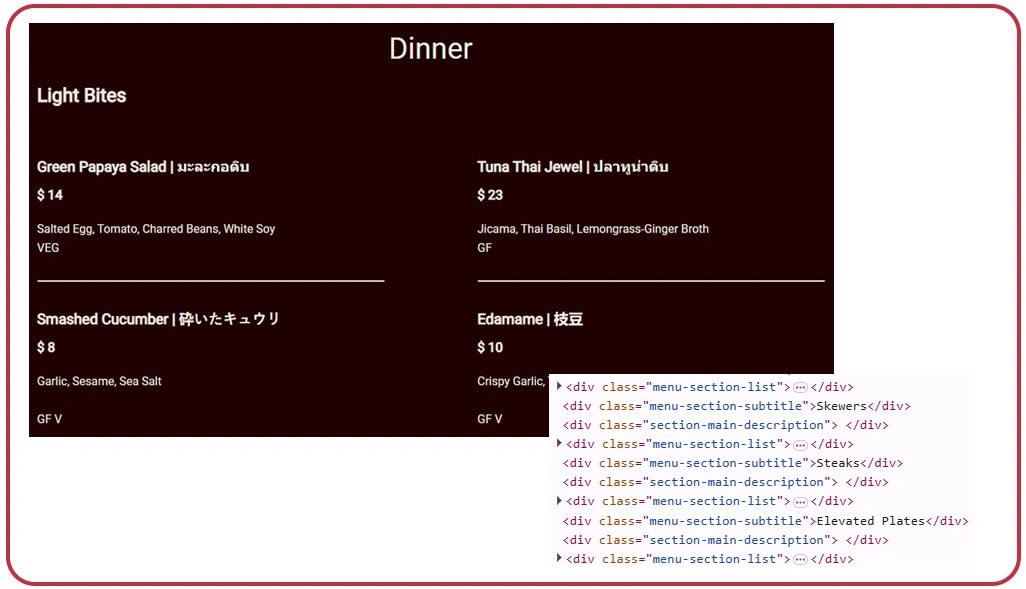
Operational improvements require businesses to leverage advanced Web Scraping API solutions that collect and process large amounts of data efficiently. Restaurants can track menu updates, pricing changes, and customer preferences to make tactical and strategic decisions that improve overall performance.
| Data Source | Frequency | Benefit |
|---|---|---|
| Online Menus | Daily | Keeps menu info current |
| Customer Feedback | Weekly | Monitors satisfaction levels |
| Pricing Changes | Real-time | Maintains competitive advantage |
| Promotions | As needed | Assesses effectiveness |
| Outlet Performance | Monthly | Guides operational decisions |
Access to detailed insights empowers businesses to refine menus, anticipate customer preferences, and react proactively to evolving market conditions. Leveraging these insights alongside Arizona Food Pricing Trends enables operators to make informed decisions that reduce manual effort, minimize errors, and improve overall accuracy, delivering a comprehensive view of performance across multiple locations.
By integrating analytics with operational planning, restaurants can benchmark outlet performance, track pricing trends, and optimize staffing and inventory. This structured approach ensures consistent quality, competitive pricing, and better customer experiences. Utilizing these tools effectively helps businesses maximize revenue, improve efficiency, and remain agile in a dynamic market environment.
How Web Data Crawler Can Help You?
Businesses looking to optimize menu offerings can benefit from sophisticated solutions that streamline data collection and analysis. By integrating automated processes, companies can Scrape Food Market Insights in Arizona effectively, eliminating the need for manual tracking and reporting.
Our solutions offer a comprehensive suite of services:
- Aggregating data from multiple outlets efficiently.
- Tracking sales trends across categories.
- Analyzing customer feedback patterns.
- Comparing menu pricing across regions.
- Monitoring seasonal and regional trends.
- Providing actionable reports for decision-making.
With access to Food Trend Analysis Data Scraping in Arizona, operators can enhance planning, adjust menus dynamically, and respond to market demands swiftly.
Conclusion
Successfully navigating Arizona's dynamic food market requires precise insights that can shape operational and marketing strategies. Businesses using tools to Scrape Food Market Insights in Arizona can identify top-selling items, optimize menus, and maximize revenue while minimizing waste.
Moreover, understanding Real-Time Food Insights From Arizona Markets allows restaurants to make evidence-based decisions that improve customer satisfaction and boost profitability. Contact Web Data Crawler to get started with tailored solutions that deliver measurable results.