
How Apartments.com and Redfin Data Scraping for Housing Insights Drives 30% Faster Property Decisions?
Dec 30
Introduction
Modern real estate decisions are no longer driven by intuition or delayed reports. Property investors, brokers, and developers now depend on near real-time digital intelligence to interpret shifting market conditions. With property prices fluctuating weekly and rental demand reacting instantly to economic signals, accessing structured housing data has become essential for competitive positioning. This is where Apartments.com and Redfin Data Scraping for Housing Insights becomes a strategic enabler, transforming fragmented listings into decision-ready intelligence.
By systematically extracting rental listings, price histories, neighborhood performance indicators, and availability trends, stakeholders gain clarity across metro and suburban markets. These insights support faster acquisition decisions, more accurate rent forecasting, and improved portfolio optimization. Alongside U.S. housing intelligence, cross-border data access such as Redfin Canada Property Data Scraping Services further enables comparative analysis for investors expanding internationally.
As real estate platforms continuously update pricing and availability, automated data extraction ensures that market participants are never working with outdated information. The result is a sharper understanding of demand elasticity, supply saturation, and price movement—factors that collectively reduce risk and shorten decision cycles by measurable margins.
Strengthening Market Visibility Through Structured Listings
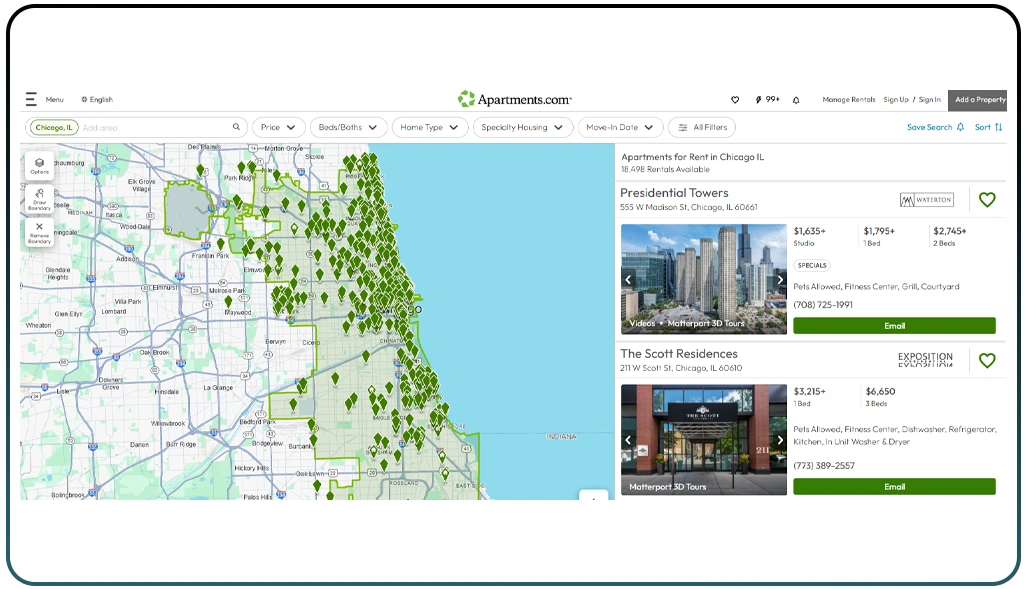
Fragmented and rapidly changing property listings often create blind spots for investors, brokers, and analysts attempting to evaluate housing opportunities. Listings may disappear, reappear, or shift pricing within days, making manual monitoring unreliable and inefficient. Through Property Listing Data Scraping via Redfin, housing professionals can systematically capture listing status changes, property attributes, time-on-market metrics, and neighborhood-level indicators.
This structured flow ensures that pricing signals and availability patterns are continuously updated rather than reviewed retrospectively. When consolidated into standardized Real Estate Datasets, these insights eliminate inconsistencies across regions and listing formats, enabling analysts to identify undervalued assets and emerging micro-markets with greater accuracy.
Centralized listing intelligence also reduces dependency on manual verification, allowing teams to focus on trend interpretation instead of data collection. Investors benefit from improved screening efficiency, while brokers gain clarity on competitive positioning within localized markets. By aligning listing transparency with analytical precision, stakeholders can significantly reduce decision delays caused by outdated or incomplete information.
| Evaluation Metric | Manual Tracking | Automated Structuring |
|---|---|---|
| Listing update frequency | Weekly | Daily |
| Data consistency | Low | High |
| Property screening time | 5–6 hours | 2–3 hours |
| Missed listing risk | High | Reduced |
Improving Rental Forecasting With Demand Signals
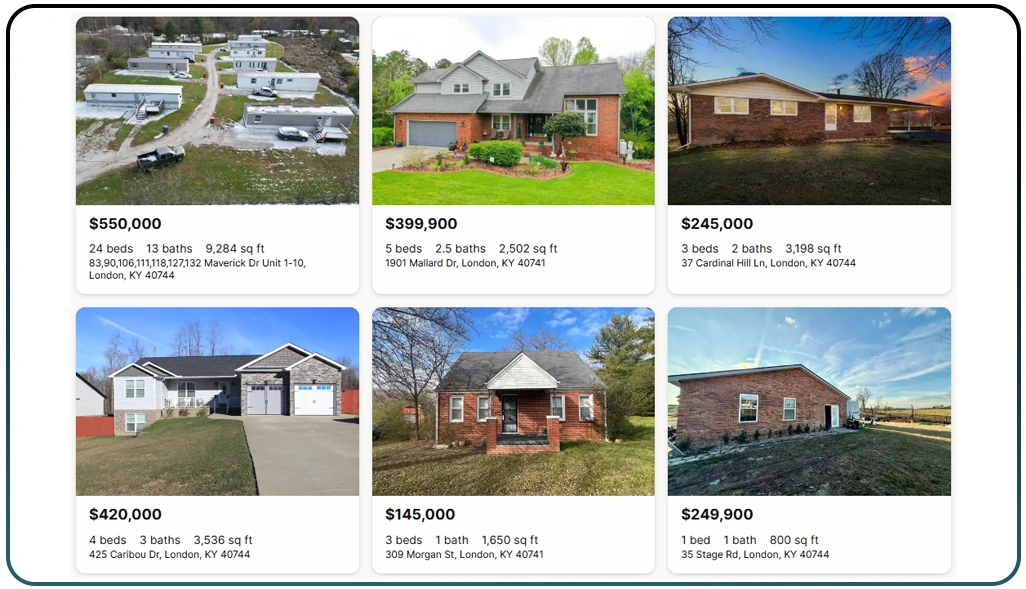
Rental markets respond quickly to population shifts, employment changes, and economic fluctuations, making traditional analysis methods increasingly insufficient. Relying on static reports often results in pricing mismatches and delayed responses to demand surges or vacancy risks. Using Rental Market Data Extraction From apartment.com, analysts gain access to updated rent values, unit availability, property amenities, and leasing patterns across multiple locations.
This continuous data flow enables property managers to detect seasonal fluctuations and tenant demand shifts as they occur. When enhanced through Popular Real Estate Data Scraping, rental intelligence becomes scalable, allowing comparisons across cities, neighborhoods, and property categories without manual intervention.
This approach supports more accurate rent benchmarking, reduces vacancy periods, and strengthens revenue forecasting. Asset managers can adjust pricing proactively, while developers gain clarity on rental feasibility before entering new markets. The result is a more resilient rental strategy grounded in current demand rather than historical averages.
| Rental Indicator | Traditional Review | Data-Driven Review |
|---|---|---|
| Rent update lag | Monthly | Daily |
| Vacancy prediction accuracy | Medium | High |
| Pricing adjustment speed | Slow | Rapid |
| Forecast deviation | ±18% | ±7% |
Analyzing Long-Term Value Movement Patterns
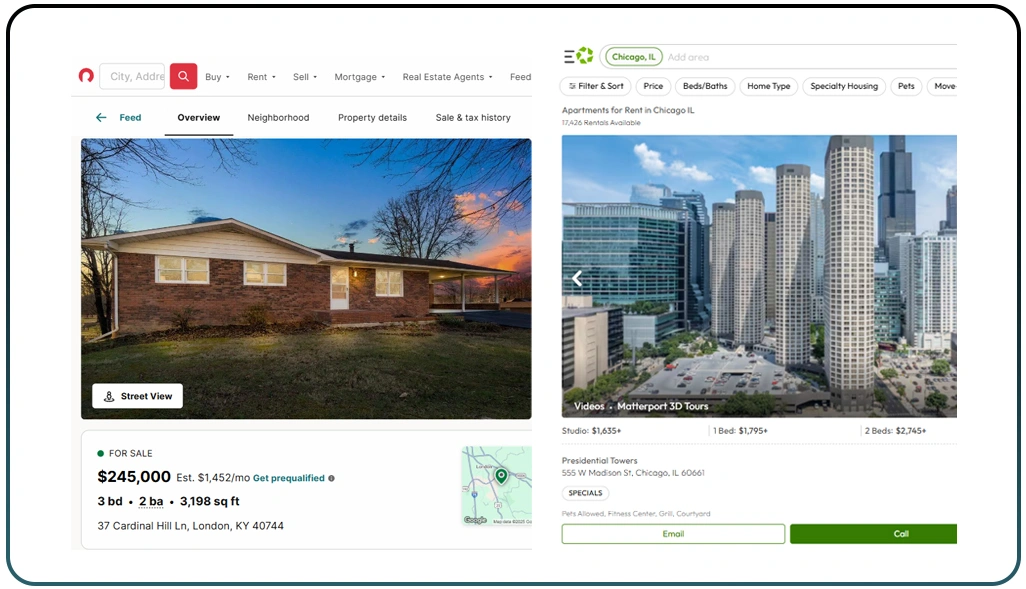
Long-term property valuation depends on understanding how prices evolve across time, locations, and economic cycles. Manual trend analysis often fails to capture subtle shifts in neighborhood momentum or early indicators of growth and decline. Advanced data extraction introduces clarity by mapping historical patterns alongside current market signals.
With Web Scraping Redfin Home Price Trend Data, analysts can track appreciation rates, volatility ranges, and price corrections across diverse housing segments. These insights gain further depth when paired with Property Pricing Insights via Apartments.com and Redfin, enabling comparisons between asking prices and actual market behavior.
This data framework also supports the ability to Scrape Apartment Availability and Pricing Across US, offering nationwide visibility for portfolio-level planning. By consolidating these signals into Housing Market Insights via Data Scraping, investors can identify emerging growth zones and avoid overheated markets.
| Decision Factor | Conventional Analysis | Structured Intelligence |
|---|---|---|
| Entry timing precision | Moderate | High |
| Growth zone identification | Limited | Accurate |
| Capital allocation risk | Elevated | Lowered |
| Portfolio diversification | Reactive | Proactive |
Enterprise-level strategies benefit further from Redfin & Apartments.com Data Scraping for Us Market Insights, which supports scalable expansion decisions grounded in measurable trends rather than speculation.
How Web Data Crawler Can Help You?
Real estate intelligence demands speed, accuracy, and scalability. By integrating Apartments.com and Redfin Data Scraping for Housing Insights into analytical workflows, we deliver structured datasets designed for predictive modeling and operational clarity.
Key capabilities include:
- Automated multi-platform data collection.
- Real-time pricing and availability tracking.
- Historical trend normalization.
- Scalable data delivery formats.
- Compliance-driven extraction frameworks.
- Custom analytics-ready datasets.
In addition, our infrastructure supports Property Pricing Insights via Apartments.com and Redfin, ensuring consistent market intelligence without manual overhead.
Conclusion
Residential markets reward those who act on timely intelligence rather than delayed assumptions. By applying Apartments.com and Redfin Data Scraping for Housing Insights, real estate professionals can reduce uncertainty, improve forecasting accuracy, and accelerate property decisions in competitive environments.
At the same time, structured intelligence powered by Housing Market Insights via Data Scraping transforms raw listings into strategic assets. If your organization is ready to make faster, data-backed property decisions, connect with Web Data Crawler today and turn market complexity into clarity.