
How Airline Price Data Monitoring for Real-Time Fare Prediction Delivers 20% More Accurate Fare Predictions?
Dec 30
Introduction
Airfare volatility remains one of the most demanding challenges for airlines, OTAs, and travel intelligence teams. To overcome these limitations, modern analytics frameworks rely on Flights Ota Price Monitoring embedded within real-time data pipelines, enabling continuous fare tracking across routes, markets, and booking windows for more accurate forecasts and stronger revenue outcomes.
This is where Airline Price Data Monitoring for Real-Time Fare Prediction plays a transformational role. By capturing live fare signals and feeding them into predictive models, airlines can significantly reduce forecasting errors while improving yield management strategies. When combined with historical signals and behavioral indicators, real-time monitoring supports faster pricing reactions and smarter seat inventory decisions.
Advanced forecasting frameworks rely heavily on structured Travel Datasets sourced from global airline platforms, OTAs, and regional booking engines. As airlines shift toward AI-driven pricing intelligence, real-time monitoring becomes the foundation for building scalable and adaptive fare prediction systems that align pricing with true market demand rather than static assumptions.
Managing Rapid Fare Shifts With Live Signals
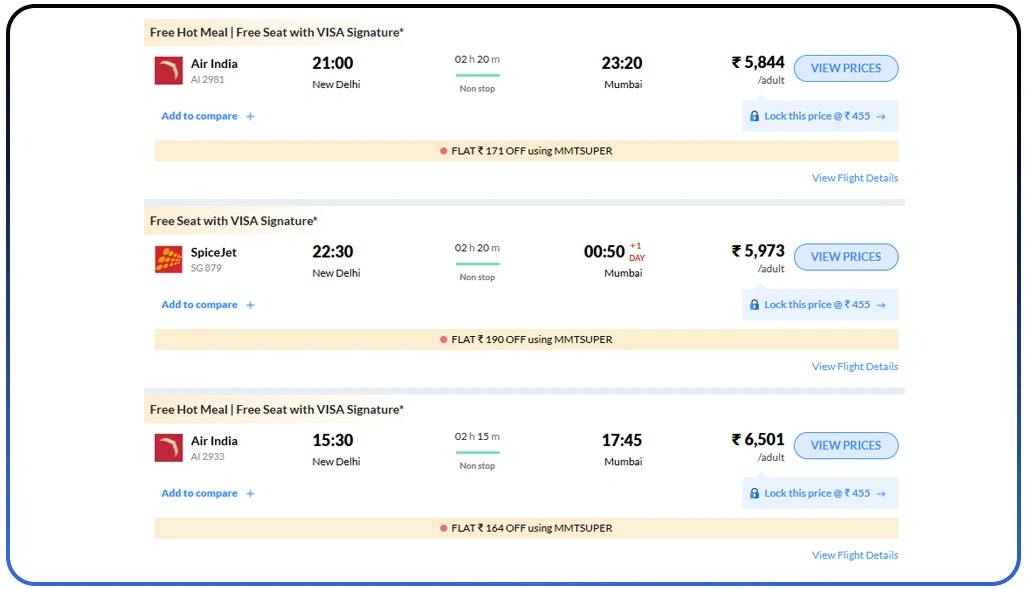
Airfare prices change frequently due to demand spikes, competitor reactions, inventory adjustments, and promotional activity. Without continuous monitoring, pricing teams often respond too late, causing revenue leakage or missed conversion opportunities. Using Web Scraping Travel Data, airlines can continuously observe price movements across routes, booking windows, and cabin classes.
This real-time visibility helps teams identify early indicators of volatility such as sudden fare drops, limited-seat availability, or competitor-led price wars. These signals allow pricing strategies to be adjusted dynamically rather than through delayed manual reviews. Advanced intelligence systems powered by an Airline Pricing Intelligence Scraper aggregate pricing data from multiple sources and convert fragmented fare listings into structured insights.
This process supports deeper Airline Ticket Price Trend Analysis Scraping, revealing recurring patterns across seasons, routes, and travel durations. When these insights feed predictive models, forecast stability improves and pricing confidence increases. Industry benchmarks indicate that airlines monitoring live pricing signals reduce fare mismatch errors by up to 20%.
Key signals captured for pricing decisions:
| Signal Type | Purpose | Strategic Benefit |
|---|---|---|
| Competitor fare changes | Detect undercutting | Faster repricing |
| Route-level demand | Identify booking surges | Better seat control |
| Seasonal trend shifts | Forecast adjustments | Stable pricing |
Strengthening Forecast Models Using Market Comparisons
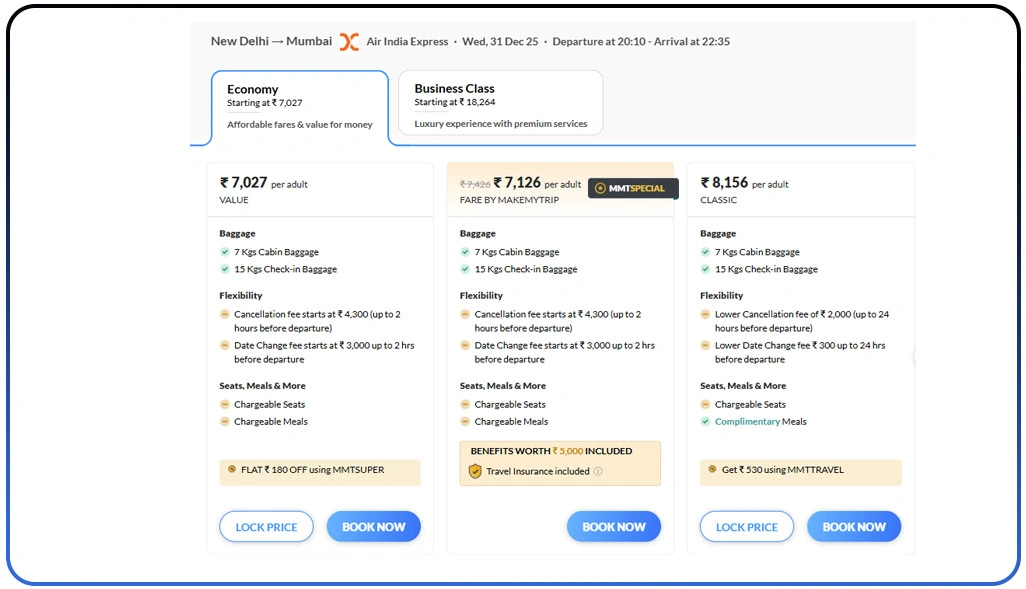
Accurate fare forecasting requires continuous awareness of how prices move across competing platforms. Relying on static or delayed datasets limits the ability to respond to market fluctuations. Through Travel Price Scraping, pricing teams gain visibility into how fares vary across OTAs, airline websites, and regional booking portals. This approach highlights pricing inconsistencies, flash discounts, and bundled offers that directly influence traveler decisions.
These insights become essential inputs for predictive systems that must reflect real-time market conditions. With Real-Time Flight Price Monitoring With Web Scraping, airlines can track minute-by-minute fare changes and understand how competitors react to demand shifts. This intelligence enhances Flight Fare Forecasting Data Extraction, allowing AI models to correlate pricing changes with booking velocity, load factors, and route performance.
As a result, forecasts become more precise and responsive. Data-driven airlines report improved forecast accuracy and reduced over-discounting when competitive intelligence is embedded into pricing models. Continuous monitoring also supports smarter inventory planning and revenue protection on high-competition routes.
Competitive intelligence metrics:
| Data Point | Forecast Impact | Business Outcome |
|---|---|---|
| OTA price variance | Demand elasticity insights | Higher accuracy |
| Promotion detection | Booking surge modeling | Better timing |
| Route competition levels | Price positioning | Margin control |
Driving Proactive Decisions Through Predictive Alerts
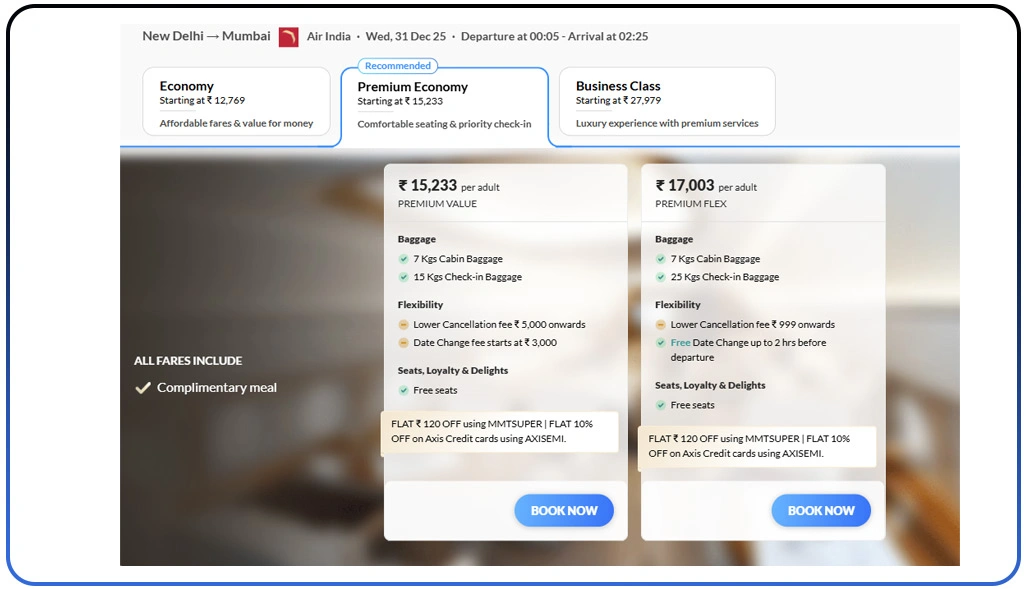
Traditional pricing systems often react only after fare changes impact demand. Predictive alerting shifts this approach by signaling potential price movements before they fully materialize. By implementing systems to Scrape Airline Price Data for Real-Time Travel Fare Alerts, airlines receive early notifications about demand surges, competitor seat depletion, or emerging fare rebounds.
These alerts enable pricing teams to adjust strategies ahead of market shifts, improving both revenue stability and customer trust. Predictive engines powered by Flight Fare Prediction Using Scraped Data analyze historical patterns alongside live signals to forecast near-term price movements. Airlines can also Predict Flight Prices Using Web Data Crawling, ensuring forecasts remain aligned with rapidly evolving market conditions.
Organizations leveraging predictive alerts gain stronger control over price volatility while enhancing traveler confidence by minimizing unexpected last-minute fare fluctuations. By embedding Web Scraping Airline Dynamic Pricing Analytics at the core of this approach, pricing strategies shift from reactive adjustments to proactive, forward-looking optimization that drives smarter fare decisions.
Predictive alert outcomes:
| Alert Category | Insight Provided | Business Value |
|---|---|---|
| Demand surge alerts | Early booking signals | Revenue lift |
| Competitor depletion | Capacity pressure | Margin safety |
| Fare rebound trends | Timing optimization | Forecast confidence |
How Web Data Crawler Can Help You?
Modern airline analytics demand scalable data pipelines capable of processing millions of fare updates daily. In this environment, Airline Price Data Monitoring for Real-Time Fare Prediction becomes far more effective when supported by robust extraction, normalization, and validation frameworks that ensure data accuracy and speed.
Our capabilities include:
- Large-scale fare data collection across global routes.
- High-frequency price change detection.
- Structured datasets optimized for AI models.
- Route-level and market-level intelligence feeds.
- Secure and compliant data delivery pipelines.
- Custom integration with pricing systems.
After deploying these solutions, airlines can extend insights into Flights Ota Price Monitoring, enabling consistent visibility across all booking channels and competitive landscapes.
Conclusion
Airfare forecasting accuracy depends on how quickly pricing systems adapt to live market behavior. When supported by Airline Price Data Monitoring for Real-Time Fare Prediction, airlines achieve stronger demand alignment, smarter pricing decisions, and measurable improvements in forecast reliability across competitive routes.
By combining predictive models with Predict Flight Prices Using Web Data Crawling, organizations can reduce uncertainty, protect margins, and respond confidently to real-time market shifts. Connect with Web Data Crawler today to transform airline pricing intelligence into a sustainable competitive advantage.